

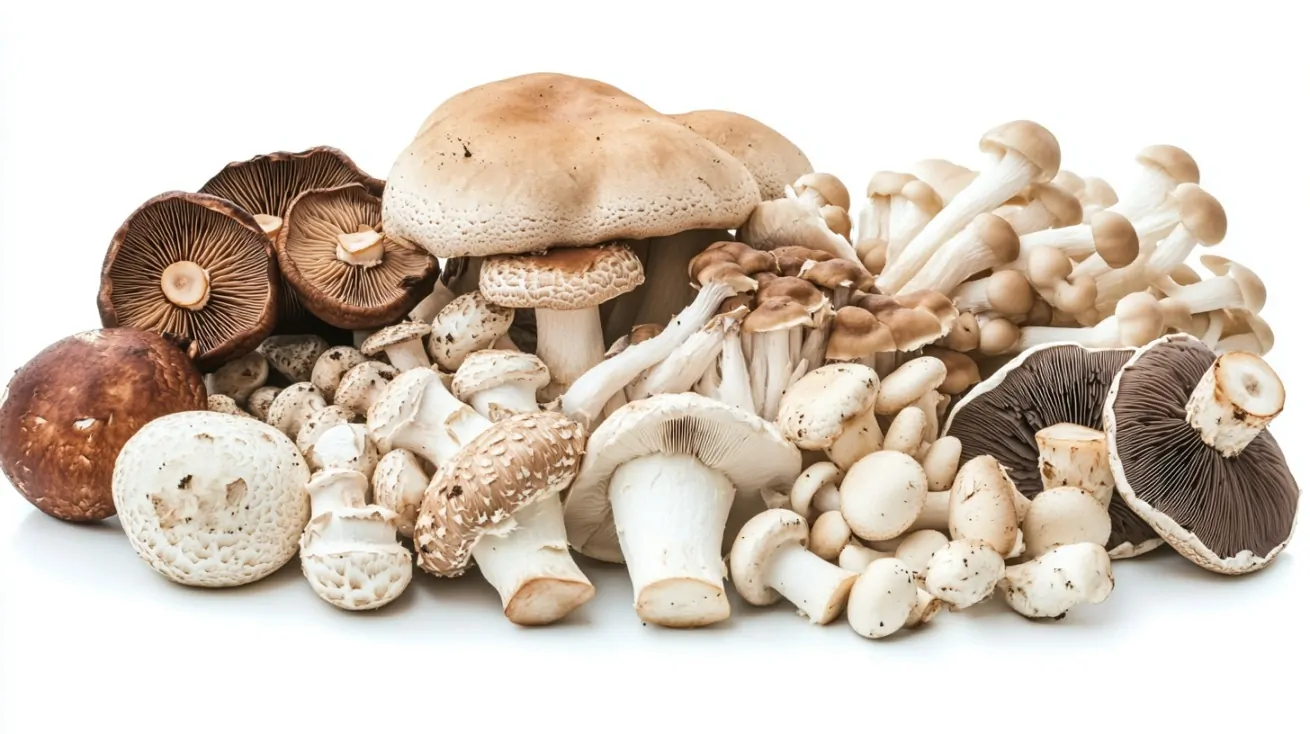
Mushrooms kicked it off. That innocent side dish became a red flag waving at my gut and waving harder during menopause. Each bite turned unpredictable.
A chance chat about hormones led to something bigger, histamine intolerance hiding behind hot flashes and foggy thoughts.
No one talks about it, but more of us are dealing with it than you’d think. Turns out that what’s on the plate and what’s going on hormonally might be far more connected than expected.
Mushrooms and Menopause – A Personal Clue
Mushrooms were once comfort food, especially when smothered in garlic. Meals felt incomplete without them. At home, they were ever-present, and nobody questioned it. But then came the shift. Suddenly, each forkful felt like a risk.
A risk that sometimes ended in a mad dash to the bathroom, clutching my stomach and regretting every savory bite. Dining out became a gamble.
That’s how the trail started. A chat about my Mirena coil with Dr. Nighat Arif turned unexpectedly revealing. She casually recommended antihistamines, and something clicked. Curiosity turned into research, and the research uncovered something huge.
Histamine and menopause – a connection few talk about, yet it’s right there, hiding in symptoms many women chalk up to “getting older.” It wasn’t just mushrooms. It was my entire body reacting like it was under siege.
So, what’s histamine got to do with all this?
What Histamine Does in the Body
Histamine isn’t the villain—it’s a worker.
- Helps the immune system respond after injury or allergens
- Triggers the release of stomach acid for digesting food
- Signals the brain to stay alert and engaged
Most of the time, these functions hum in the background. When levels spike too high, those background processes become front and center.
A restless night, unexpected stomach cramps, or random skin flare-ups might be part of the puzzle. Add menopause into the mix, and those symptoms can amplify unpredictably.
Too Much Histamine – What Happens Then?
When histamine floods the system, everything feels off. Too much isn’t just about sneezing or a bit of itchiness. It’s a full-body revolt.
- Respiratory: constant congestion, sinus pain, that feeling like a cold never really left
- Digestive: bloating, wind, cramps, acid reflux, or sprint-worthy diarrhea
- Skin: hives, rashes, redness, itchiness, or facial flushing out of nowhere
- Brain fog: panic attacks, poor concentration, sleep disruption, memory lapses
- Hormonal chaos: painful periods, sensitivity to hormonal shifts
- Vascular: dizziness, fainting, low blood pressure, or pounding heartbeats
Ticking those off one by one doesn’t take long for most menopausal women. It becomes easy to assume it’s just another part of aging.
But histamine intolerance, when added to hormone shifts, creates a feedback loop of symptoms.
And it’s not just annoying. It’s exhausting.
Foods That Feed the Fire
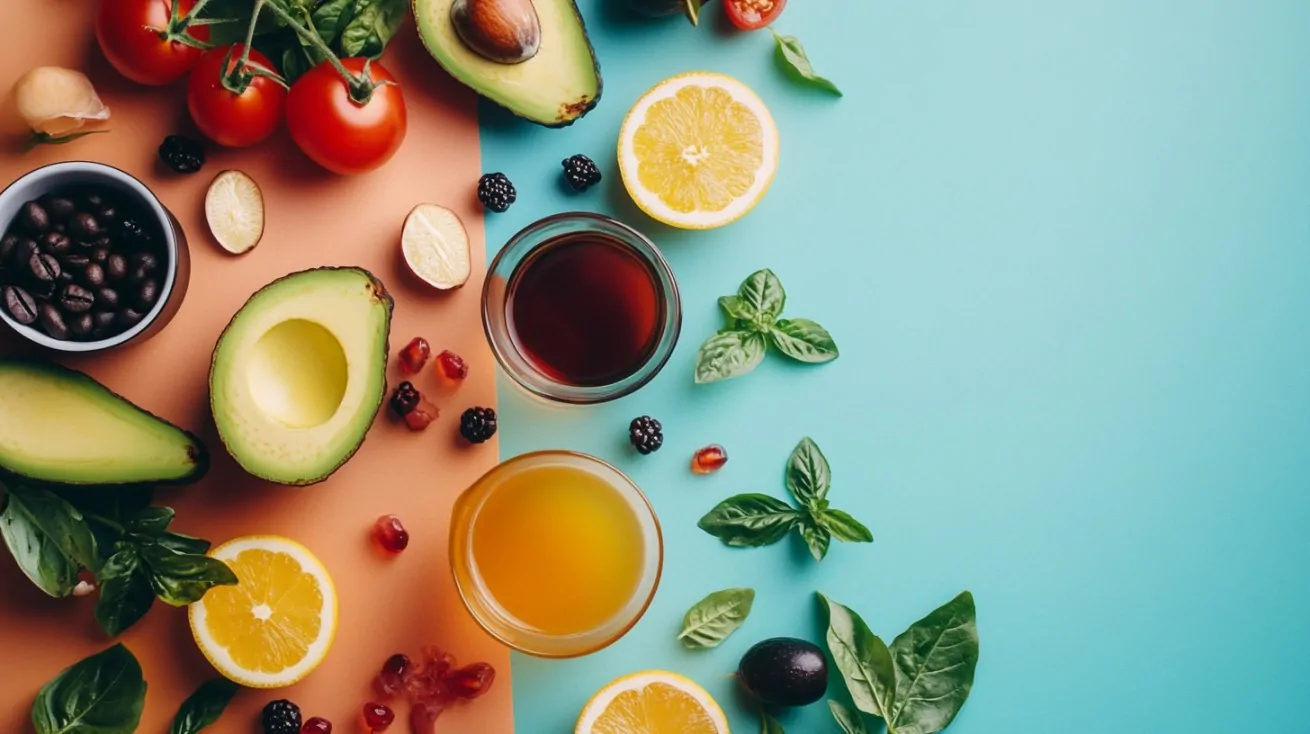
Histamine loves fermented foods. That’s where things get messy.
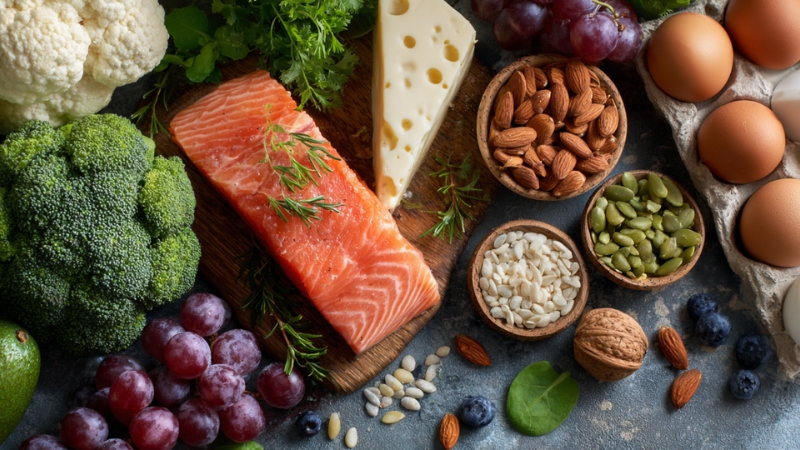
- Alcohol (wine, beer, spirits)
- Aged cheeses and sour cream
- Fermented yogurts, kefir, kimchi, sauerkraut
- Fruits like strawberries, kiwi, bananas
- Vegetables like avocados, aubergine, tomatoes
- Fish like tuna, sardines, and mackerel
- Drinks like coffee, green tea, black tea
Even health trends aren’t safe. Gut-friendly kefir? High in histamine. Instagram-approved avocado toast? Also risky. And yes, coffee, the sacred morning ritual, can stir things up as well.
Mushrooms aren’t technically high in histamine. But they’re loaded with other biogenic amines that push histamine buttons. That explains my uncomfortable sprints after mushroom-loaded meals.
Also worth noting: leftovers. They ferment. So even a “clean” dish reheated tomorrow might come with hidden trouble.
Stress makes things worse. Crohn’s disease or other gut issues can lower the body’s threshold, too. Genetics may make some people more reactive. It’s a perfect storm waiting for a hormone shift.
Menopause and Histamine – The Spiral
Estrogen and histamine are like mischievous twins daring each other to escalate. One rises, then pushes the other higher.
During menopause, estrogen doesn’t drop in a straight line. It zigzags. Some days it spikes, other days it crashes. Each hormonal wave sends histamine on a wild ride. Symptoms go from manageable to unbearable and then swing back again.
Those dealing with histamine intolerance often notice progesterone sensitivity too. The two tend to pair up during menopause, creating confusion, inflammation, and emotional chaos.
Hormonal shifts don’t just affect mood. They impact how antihistamines work and how HRT feels. Synthetic HRT can worsen histamine symptoms. That’s why conversations about bioidentical HRT—especially rBHRT—matter. Bioidenticals may be gentler, especially for those reacting strongly to traditional medications.
Menopause isn’t just about hot flashes and mood swings. It’s a hormonal shake-up that echoes through every system, magnified when histamine gets involved.

Suspecting Histamine Intolerance – What to Do
First step isn’t to panic. It’s to observe.
Start keeping a food diary. Not just what’s eaten, but when symptoms show up. Look for patterns—coffee in the morning followed by dizziness? Tuna salad at lunch, then bloat city? Record it.
- Alcohol
- Caffeine
- Fermented foods (kefir, kombucha, kimchi)
- Aged or leftover meals
- Histamine-heavy produce like avocados, tomatoes, bananas, strawberries
Freshness is key. The longer something sits—even in the fridge—the more histamine builds. Stick to same-day meals when symptoms start stacking up.
Bring in a dietician or nutritional therapist. Online info can help, but nothing beats someone trained to spot nutritional gaps and histamine flare signals.
Watch stress levels. Easier said than done, yes—but cortisol and histamine have a friendship no one asked for. More stress equals more symptoms. Add gentle exercise, some guided breathing, better sleep hygiene. Small shifts matter.
Antihistamines can help short-term. They worked for me. Daily antihistamines brought things back under control after my Mirena coil was fitted. But long-term use can backfire—tricking the body into thinking histamine is low, which triggers more production.
Some research even suggests antihistamines might ease certain menopausal symptoms. Still early days for science on that front. But women sharing real experiences may lead the way to better answers.
The Bottom Line
Histamine doesn’t get a spotlight in most menopause conversations—but it should. It fuels symptoms, disrupts daily life, and turns everyday meals into minefields.
Spotting it early makes all the difference. Food logs, fresh meals, and the right support can tame the chaos.
Even garlic mushrooms might be back on the menu someday. Menopause already throws enough curveballs—no need to let histamine pitch them harder.