


Walk through any pharmacy aisle, and the message is loud. Capsules promise energy, powders hint at youth, gummies smile back with claims about bones, brains, joints, sleep, and immunity.
After 50, the pull gets stronger. Bodies change. Prescription lists grow. Friends swear by routines. Marketing fills the gaps.
Supplement use reflects that reality. U.S. survey data from 2017 to 2018 showed that 57.6% of adults reported using at least 1 dietary supplement in the prior 30 days. Use rose steadily with age, reaching 80.2% among women ages 60+ and 67.3% among men ages 60+.
Some of that spending makes sense. Some of it buys reassurance rather than a measurable benefit. After 50, smart supplementation becomes less about adding more and more and more about choosing with intent, screening for interactions, and knowing when to stop.
So, which supplements earn a place when there is a real reason? Which ones tend to drain wallets or create risk? What questions belong in a doctor or pharmacist conversation before starting anything new? Let’s find out.
Why Supplements Get Trickier After 50

Three shifts matter once midlife passes.
- Absorption and needs change. Vitamin B12 stands out. Stomach acid often declines with age, and several common medications interfere with absorption. What worked at 35 may no longer deliver the same effect at 55.
- Medication lists get longer. Each added prescription increases the chance of interactions. Some interactions are subtle. Others are serious. St. John’s wort remains the textbook example because it can weaken or dangerously alter the effects of many medicines.
- Overdoing becomes easier. A multivitamin here, a bone formula there, a sleep gummy at night, plus a few single-ingredient bottles. Stack enough products, and safe upper limits get crossed without much warning.
Taken together, supplements shift from a casual add-on to something that deserves the same respect as medications.
That complexity explains why supplements often work better when guided as part of personalized preventive healthcare instead of self-directed stacking.
A Fast Way to Judge Any Supplement Before Spending Money
Before buying anything, run a short gatekeeping sequence.
- What problem is getting solved? A lab-confirmed deficiency. A diagnosed condition. A symptom with a clear biological mechanism.
- What outcome matters? Fewer fractures. Lower LDL. Better sleep latency. Reduced migraine days. Slower progression of macular degeneration. Words like detox or immune support signal marketing rather than endpoints.
- What evidence exists for people in your age group? Trials in older adults matter because metabolism, disease patterns, and medication exposure differ.
- What is the safety and interaction profile? Anything affecting bleeding, blood pressure, heart rhythm, sedation, or hormones deserves a careful review.
If a product fails early in that sequence, saving the money is often the best move.
Read Labels Like a Skeptic

Dietary supplement labels allow a wide range of structure and function claims such as supports heart health. The FDA does not pre-approve those claims. Labels carry a disclaimer stating that the agency has not evaluated the statement.
In plain language, legality does not equal strength of evidence. A claim can pass regulatory rules and still rest on thin science.
Why Quality Matters More Than Brand Popularity
Even when an ingredient shows promise, product quality varies. Dosage accuracy, ingredient identity, and contamination control differ widely across manufacturers.
One practical safeguard involves choosing supplements with credible third-party verification for identity, potency, and contaminant limits.
The USP Verified Mark, for example, describes checks for labeled ingredients in declared amounts and limits for specified contaminants. Verification does not guarantee benefit, yet it lowers the chance of buying something other than what the label suggests.
Supplements That Can Be Worth It After 50, When Used for a Specific Reason
No universal stack fits everyone. The categories below tend to make sense only when tied to a clear indication.
Vitamin D
Vitamin D supports calcium absorption and bone mineralization. Severe deficiency brings real consequences.
Routine vitamin D supplementation for generally healthy older adults, however, has not delivered broad wins. In the VITAL trial, vitamin D did not significantly reduce major cardiovascular events or overall cancer incidence in generally healthy adults. Research continues in specific subgroups and outcomes such as cancer mortality.
High doses carry risk. Toxicity leads to hypercalcemia and, in severe cases, kidney injury and soft tissue calcification. Such toxicity links to supplement overuse rather than sun exposure or food.
When It May Be Reasonable
- Documented deficiency
- High-risk deficiency patterns
- Osteoporosis management plans
- Limited sun exposure
- Malabsorption disorders
- Clinician-directed repletion
Questions for a Clinician
- Target 25(OH)D blood level
- Dose and duration
- Recheck timeline
- Kidney stone history
- Calcium intake
- Medication interactions
Calcium
Calcium needs remain real with age. Automatic supplementation does not equal fracture prevention.
The USPSTF 2024 draft recommendation advises against vitamin D with or without calcium for primary prevention of fractures in community-dwelling postmenopausal women and men ages 60+.
It also advises against vitamin D for the prevention of falls in the same group. That guidance focuses on generally healthy adults, not on people with osteoporosis, deficiency, or prior fractures.
Higher calcium intakes bring downsides for some people. Kidney stone risk rises in certain contexts, especially when combined with vitamin D.
When It May Be Reasonable
- Consistently low dietary calcium
- Osteoporosis treatment plans
- Clinician-directed supplementation
Practical Approach
Estimate dietary calcium first. Supplement only enough to close the gap. Avoid stacking multiple calcium-containing products.
Vitamin B12
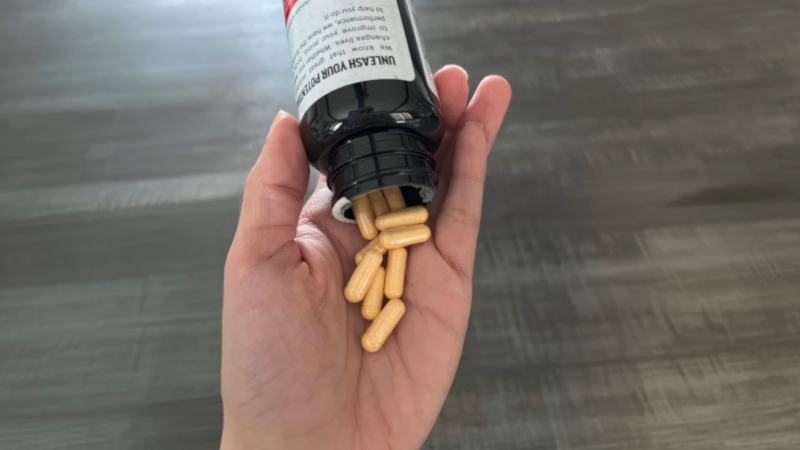
Age-related changes and acid-suppressing medications affect B12 status. Guidance from the National Institute on Aging highlights B12 as a nutrient older adults should monitor.
When It May Be Reasonable
- Low or borderline B12 labs
- Macrocytic anemia
- Neuropathy symptoms under medical evaluation
- Long-term metformin use
- Long-term acid suppression
- Vegan diet patterns
Ask a Clinician
- Best testing strategy, sometimes including methylmalonic acid
- Oral versus sublingual versus injection
- Follow-up interval
Iron
Iron supplements treat iron deficiency. Unneeded iron causes harm. Excess iron brings toxicity risk and interacts with medications.
When It May Be Reasonable
- Confirmed iron deficiency anemia
- Iron deficiency under clinician supervision
- Blood loss evaluation in progress
Red Flags for Self-Prescribing
- Fatigue alone
- Energy marketing
- Multivitamins with iron for people without a need
Omega-3 Fish Oil
View this post on Instagram
Large trials report mixed results depending on population, dose, and endpoint. In VITAL, omega-3 supplementation did not show a broad primary prevention benefit for major cardiovascular events overall.
Guidance from NIH covers dosing, sources, and safety, including bleeding considerations for some people.
When It May Be Reasonable
- Clinician-directed triglyceride lowering
- Low fish intake with dietary omega-3 targets
- Specific high-risk profiles under medical guidance
Ask a Clinician
- Goal clarity, triglycerides versus general heart health
- Dose and EPA DHA content
- Interaction review with anticoagulants or antiplatelets
Creatine
For adults focused on strength and function, creatine stands out. Evidence in older adults shows improvements in lean mass and strength when paired with resistance training.
When It May Be Reasonable
- Consistent resistance training
- Goals centered on strength, power, and lean mass
Safety Checkpoints
- Kidney disease screening
- Hydration habits
- Clinician review with multiple conditions
Magnesium

Guidance from NIH outlines intake levels, deficiency risk groups, and upper limits for supplements. Adverse effects include diarrhea. Kidney impairment raises concern.
When It May Be Reasonable
- Constipation regimens under guidance
- Confirmed low intake
- Selected migraine protocols with clinician input
- Medication-related depletion patterns
Avoid
- High-dose chronic use without a plan
- Use with kidney disease without supervision
Probiotics
Probiotic effects depend on strain, dose, and the condition targeted. Labels often fail to match what trials tested.
When It May Be Reasonable
- Prevention of antibiotic-associated diarrhea with selected strains
- Short-term symptom trials for defined gastrointestinal issues
Avoid
- Paying for vague multi-strain blends
- Products with unclear CFU counts
- Unclear storage requirements
Joint Supplements
@cut.to.the.bone Joint supplements are everywhere, but do they really work? Collagen, glucosamine, and omega-3s are often talked about, yet the research shows different results for each. Understanding the science behind them can help you make smarter choices for your joint health. In the end, supplements are never the only answer. Living a health lifestyle with good nutrition, sleep, low stress, and moderate exercise are big pillars to having health joints. Supplements are something to consider adding on. Want the full breakdown? Read more👇 https://pmc.ncbi.nlm.nih.gov/articles/PMC9413343/ https://pmc.ncbi.nlm.nih.gov/articles/PMC6035477/ https://pmc.ncbi.nlm.nih.gov/articles/PMC10058045/ or watch the full discussion on my YouTube channel to see what truly supports your joints. https://www.youtube.com/@CuttotheBone #JointHealth #SupplementScience #HealthyJoints #MobilityMatters #BoneAndJointCare #WellnessEducation #StayActive #StrongBones #ArthritisSupport #CutToTheBone #lifestylemedicine #balancedlifestyle ♬ Idea 15 – Gibran Alcocer
Evidence remains mixed. Support appears stronger for knee osteoarthritis than for other joints. Benefit magnitude varies.
When It May Be Reasonable
- Time-limited trial for knee osteoarthritis symptoms
Ask a Clinician
- Interaction review
- Whether physical therapy or exercise offers more value
Eye Health – AREDS2 Stands Apart
For age-related macular degeneration, AREDS and AREDS2 supplements reduce progression from intermediate to advanced disease by about 25%. They do not prevent onset.
Current and former smokers should avoid beta-carotene formulas due to increased lung cancer risk. AREDS2 avoids that ingredient.
When It May Be Reasonable
- Intermediate AMD
- Advanced AMD in one eye
Avoid
- Generic vision vitamins without a diagnosis
Melatonin
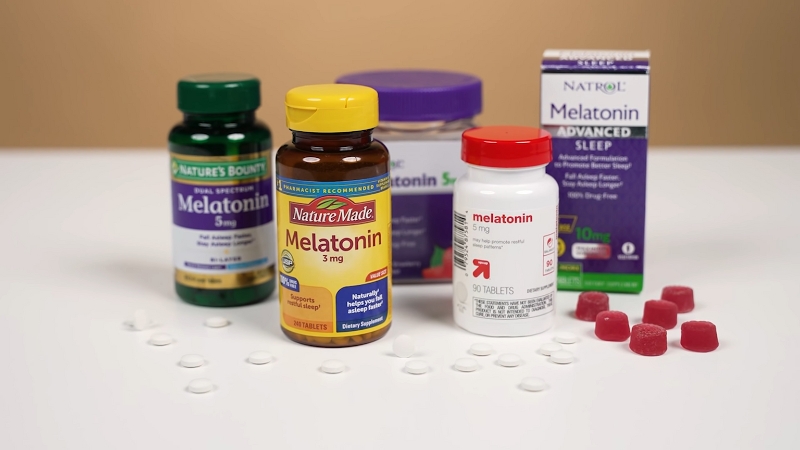
Evidence supports melatonin more strongly for jet lag and circadian rhythm problems than for chronic insomnia. Dosing and safety still matter.
When It May Be Reasonable
- Shifted sleep schedules
- Travel-related circadian disruption
Supplements That Often Waste Money After 50 or Raise Avoidable Risk
Some categories consistently disappoint.
Mega-Dose Antioxidant and Anti-Aging Stacks
High-dose vitamin E raised safety concerns in trials, including increased hemorrhagic stroke risk in some populations. Upper limits exist for a reason. High-dose single nutrients rarely deliver healthy aging benefits.
Detox, Cleanse, Metabolism, and Hormone Booster Blends
Common problems include:
- Proprietary blends that hide doses
- Stimulants or unlabeled ingredients
- Claims that skirt disease treatment language
Guidance on supplement use repeatedly notes that store products often differ from those tested in studies and that many supplements show little or no benefit for major disease prevention outcomes.
St. John’s Wort and Other High-Interaction Botanicals

St. John’s wort reduces the effectiveness of many medicines and can trigger dangerous side effects. Disclosure before use remains critical.
Red Yeast Rice: Natural Statin Marketing With Real Statin Risks
Some red yeast rice products contain added or enhanced lovastatin. Products with more than trace monacolin K qualify as unapproved new drugs. Quality and dosing vary widely. Side effects mirror statin adverse effects.
What to Ask a Doctor or Pharmacist Before Starting Anything New After 50
Treat supplements like medications. A short checklist helps.
Goal and Endpoint
What outcome should change, and how will success be measured?
Baseline Labs and Recheck Plan
Vitamin D levels. B12 status. Iron studies. Kidney function. Bone density context.
Medication Interaction Screen
Blood thinners. Antiplatelets. Diabetes drugs. Thyroid hormone. Acid suppressors. Antidepressants. Transplant medications. Chemotherapy. Seizure drugs.
Dose and Duration
Lowest effective dose. Planned stop date. Clear criteria for discontinuation.
Safety Flags
Kidney stones. Chronic kidney disease. Liver disease. Arrhythmia history. Bleeding risk. Upcoming surgery.
Product Selection
Preference for credible third-party verification when available.
A Sensible Default Plan After 50

Start with foundations. Diet quality. Sleep consistency. Regular movement. Resistance training.
Add supplements only for:
- A documented deficiency
- A diagnosed condition with strong evidence for a specific formulation, such as AREDS2 for intermediate AMD
- A clinician-directed therapeutic target, such as triglyceride lowering or a constipation regimen
Keep a single-page list of all supplements and share it at every appointment. Reassess every 3 to 6 months. Remove anything that fails to deliver a measurable benefit.