
Biotin has become one of the most popular supplements for hair health, with the UK market for biotin supplements growing by over 15% annually. But does the science support the hype, or are you simply funding expensive urine?
The truth is more nuanced than supplement marketing suggests. Whilst biotin plays a crucial role in hair growth, supplementation only helps if you’re deficient – and true biotin deficiency is remarkably rare in developed countries.
Here’s what the research actually shows about biotin, hair loss, and when supplementation makes sense.
What Is Biotin and Why Does Hair Need It?
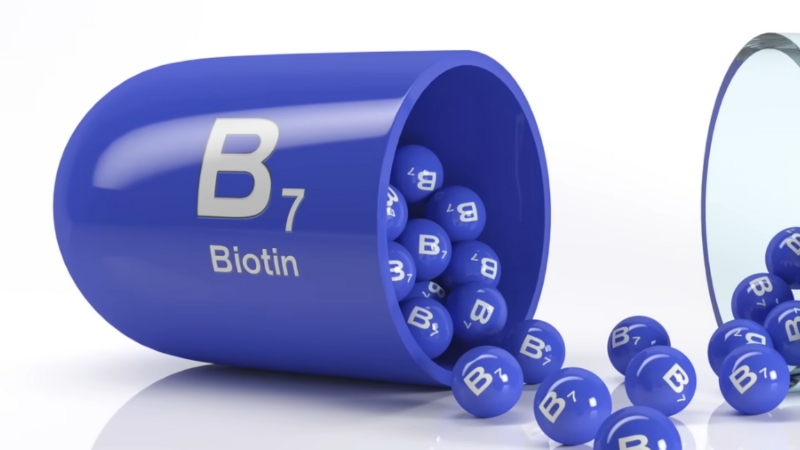
Biotin, also called vitamin B7 or vitamin H, is a water-soluble vitamin that plays a vital role in metabolising fats, carbohydrates, and proteins. Your body uses biotin to produce keratin, the structural protein that makes up approximately 95% of your hair shaft.
The vitamin acts as a coenzyme for several carboxylases – enzymes that are essential for cell growth and fatty acid synthesis. These processes are particularly important for rapidly dividing cells, including those in hair follicles.
Hair follicles are among the most metabolically active tissues in your body. The hair growth phase (anagen) requires substantial energy and protein synthesis to produce the roughly 0.3-0.4mm of hair growth per day.
Without adequate biotin, this process becomes impaired, resulting in brittle hair and, in severe cases, hair loss.
Research published in the Journal of Clinical and Aesthetic Dermatology found that hair follicles require consistent access to biotin to maintain normal growth cycles. When biotin levels drop too low, follicles cannot produce strong keratin structures, leading to breakage and thinning.
The Biotin Deficiency Reality
Here’s where the marketing narrative diverges from medical reality: true biotin deficiency is exceptionally uncommon in people eating a varied diet.
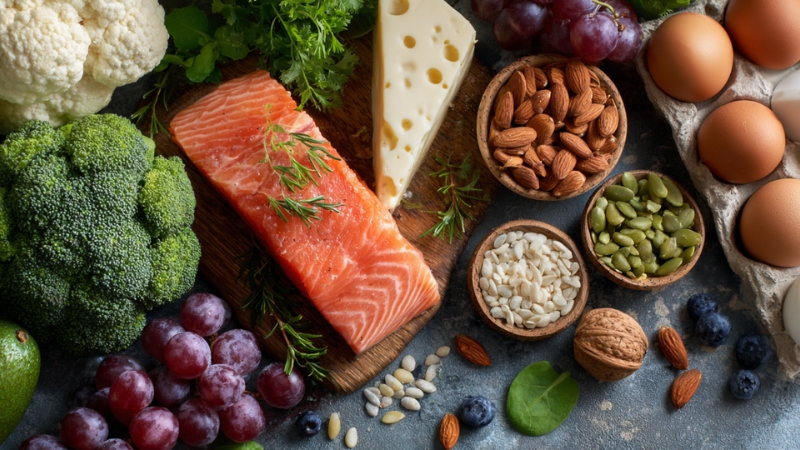
Biotin is found in numerous foods, including eggs, nuts, seeds, fish, meat, and certain vegetables. Additionally, bacteria in your gut produce biotin, providing another source beyond dietary intake. Your body requires only about 30 micrograms daily – an amount easily obtained from ordinary food.
Clinical biotin deficiency presents with distinct symptoms beyond hair loss, including: – Scaly, red rash around the eyes, nose, and mouth – Conjunctivitis – Neurological symptoms (depression, lethargy, hallucinations) – Tingling in the extremities – Seizures in severe cases
A study in the American Journal of Clinical Nutrition noted that researchers struggle to induce biotin deficiency even in controlled settings because gut bacteria continue producing the vitamin. When deficiency does occur, it’s typically associated with:
- Prolonged consumption of raw egg whites (which contain avidin, a protein that binds biotin and prevents absorption)
- Genetic disorders affecting biotin metabolism
- Long-term anticonvulsant medication use
- Biotinidase deficiency (a rare inherited condition)
- Severe malnutrition or eating disorders
If you’re eating regular meals and don’t have a specific medical condition, you’re almost certainly getting adequate biotin.
What the Clinical Trials Actually Show
Studies Showing Benefit
A 2015 study published in the Journal of Clinical and Aesthetic Dermatology examined 18 women with thinning hair who took a marine protein supplement containing biotin, along with other ingredients including vitamin C, iron, and shark cartilage. After 90 days, participants showed significant hair growth in thinning areas.
However, this study had significant limitations: it was small, included only women, used a multi-ingredient supplement (making it impossible to isolate biotin’s effects), and lacked a placebo control group.
Another frequently cited study from 2012 in the same journal tested a similar multi-ingredient supplement in 30 women with temporary hair thinning. Results showed significant improvements in hair growth and coverage after 90 and 180 days.
Again, the supplement contained biotin alongside numerous other ingredients, including fish protein, vitamin C, minerals, and other B vitamins.
The Problem with These Studies
Most studies supporting biotin for hair loss share common weaknesses: – Small sample sizes (typically under 50 participants) – Multi-ingredient formulations (impossible to attribute results to biotin alone) – Short duration (90-180 days) – Lack of robust placebo controls – Study populations with unclear baseline biotin status
No large-scale, randomised, placebo-controlled trials have demonstrated that biotin supplementation improves hair growth in people with normal biotin levels. This absence of high-quality evidence is significant, given the supplement’s popularity.
When Biotin Does Work
The clearest evidence for biotin’s effectiveness comes from treating confirmed biotin deficiency. Case studies consistently show that people with actual deficiency experience dramatic hair improvement once biotin is replaced.
A case report in the International Journal of Trichology described a woman with hereditary biotinidase deficiency who developed severe hair loss.
After starting biotin supplementation, her hair fully recovered within months. Similar case reports exist for people with genetic biotin metabolism disorders or those on long-term anticonvulsant therapy.
These cases confirm biotin’s importance for hair growth – but they don’t support supplementation in people with normal biotin status.
Biotin vs Established Hair Loss Treatments
To put biotin in perspective, it’s worth comparing it to treatments with robust clinical evidence.
Finasteride has been tested in multiple large-scale trials involving thousands of men. Studies consistently show that 83-90% of men maintain or increase hair count over two years. The mechanism is well-understood: finasteride blocks DHT, the hormone that miniaturises follicles in male pattern baldness.
Minoxidil similarly has extensive clinical evidence, with studies showing that approximately 60% of men experience regrowth after four months of use. It increases blood flow to follicles and extends the growth phase of the hair cycle.
Combined treatment plans that include both finasteride and minoxidil, along with supporting nutrients like biotin, offer the most comprehensive approach. The DHT blocker prevents further loss, minoxidil stimulates growth, and nutrients like biotin ensure follicles have the building blocks they need.
The difference in evidence quality is stark. Whilst finasteride and minoxidil have been rigorously tested in controlled trials, biotin’s evidence relies largely on small studies with methodological limitations.
Who Might Actually Benefit from Biotin Supplements?
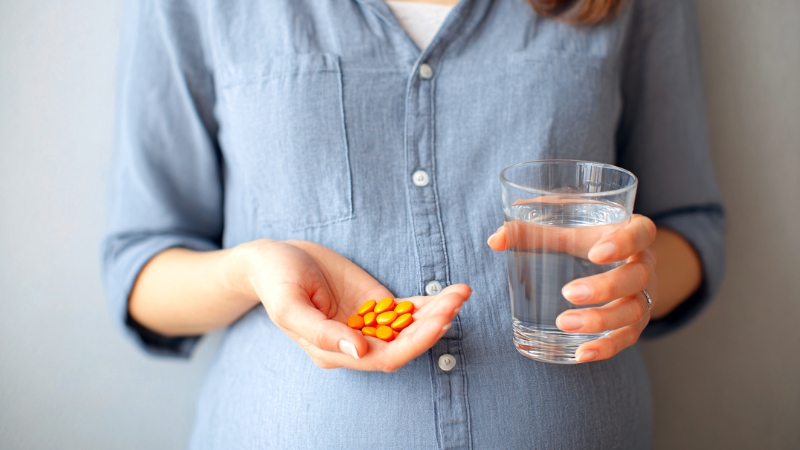
Despite the weak evidence for general supplementation, certain groups may benefit from additional biotin:
People with Diagnosed Deficiency
If blood tests confirm low biotin levels, supplementation makes clear sense. Your GP can order a biotin test if you have symptoms suggesting a deficiency.
Those on Specific Medications
Anti-seizure medications (particularly carbamazepine, phenytoin, and phenobarbital) can interfere with biotin absorption. Long-term antibiotics may also disrupt gut bacteria that produce biotin. If you’re on these medications and experiencing hair changes, discuss biotin with your doctor.
People with Inflammatory Bowel Disease
Crohn’s disease and ulcerative colitis can impair nutrient absorption, potentially leading to biotin deficiency. If you have IBD and hair loss, nutritional deficiencies should be investigated.
Individuals with Eating Disorders or Severe Dietary Restrictions
Severely restricted diets may not provide adequate biotin. This includes people with anorexia, very low-calorie diets, or extremely limited food variety.
Pregnant and Breastfeeding Women
Pregnancy increases biotin requirements, and some studies suggest marginal deficiency is more common during pregnancy. However, prenatal vitamins typically contain biotin, so additional supplementation may not be necessary.
People with Brittle Nail Syndrome
Whilst less relevant to hair loss, biotin has stronger evidence for treating brittle nails. A study in the Journal of the American Academy of Dermatology found that biotin supplementation increased nail thickness by 25% in people with brittle nails.
The Placebo Effect and Supplement Marketing
View this post on Instagram
One factor that may explain biotin’s popularity despite limited evidence is the powerful placebo effect in hair loss treatment.
Hair grows slowly – about six inches per year – making it difficult to assess improvement objectively. People taking biotin supplements often pay closer attention to their hair, which can create a perception of improvement.
Additionally, many people start supplements during periods when their hair loss is already stabilising naturally.
A phenomenon called “regression to the mean” also plays a role. Hair loss fluctuates naturally, with periods of heavier shedding followed by more stable phases.
People often start supplements during heavy shedding phases, then attribute the natural stabilisation to the supplement.
Marketing reinforces these perceptions. Supplement companies frequently use before-and-after photos that may not be representative, testimonials from people who may have improved regardless, and language suggesting benefits beyond what evidence supports.
The Safety Question: Can Biotin Cause Problems?
Biotin is generally considered safe even at high doses because it’s water-soluble – excess amounts are simply excreted in urine. However, there’s one significant concern: test interference.
High-dose biotin supplementation (particularly doses above 5,000 mcg) can interfere with numerous laboratory tests, including: – Thyroid function tests (TSH, T3, T4) – Troponin (used to diagnose heart attacks) – Vitamin D levels – Hormone tests
The interference can cause falsely high or low results, potentially leading to misdiagnosis or inappropriate treatment. The FDA has issued warnings about this interference, particularly noting cases where biotin caused falsely low troponin readings, potentially masking heart attacks.
If you’re taking biotin supplements, inform your doctor before any blood tests. Most laboratories recommend stopping biotin for at least 72 hours before testing.
Biotin Dosage: More Isn’t Better
@drerumilyas #biotin dosage? Although we do need #biotin, we do not necessarily need it in the dosages found in several #skinhairandnails #supplements. Unless you have been tested and found to have a #biotindeficiency I would place biotin supplements in thr category of #skincarehalos ♬ original sound – ERUM ILYAS, MD, MBE, FAAD
The recommended daily intake of biotin in the UK is 30-35 micrograms for adults. Most people get this amount easily from food.
Hair supplement formulations typically contain anywhere from 1,000 to 10,000 micrograms (1-10mg) – vastly exceeding the recommended intake. There’s no evidence that these mega-doses provide additional benefits beyond correcting a deficiency.
Comprehensive hair loss treatments often include biotin at more moderate doses (around 100-300 mcg) alongside ingredients with stronger evidence, such as finasteride and minoxidil.
This approach ensures you’re getting adequate biotin without excessive amounts that may interfere with lab tests.
Food Sources: A Better Approach
Rather than relying on supplements, getting biotin from food offers several advantages: – Better absorption – Additional nutrients that support hair health – No risk of test interference – Lower cost
Excellent biotin sources include: – Egg yolks (cooked): 10 mcg per large egg – Almonds: 1.5 mcg per 30g serving – Salmon: 4-5 mcg per 85g – Sweet potatoes: 2.4 mcg per medium potato – Spinach: 0.5 mcg per 100g cooked – Sunflower seeds: 2.6 mcg per 30g – Beef liver: 31 mcg per 85g serving
A breakfast of eggs and spinach, with almonds as a snack, would easily provide your daily biotin needs along with protein, healthy fats, and other nutrients important for hair health.
Biotin and Male Pattern Baldness
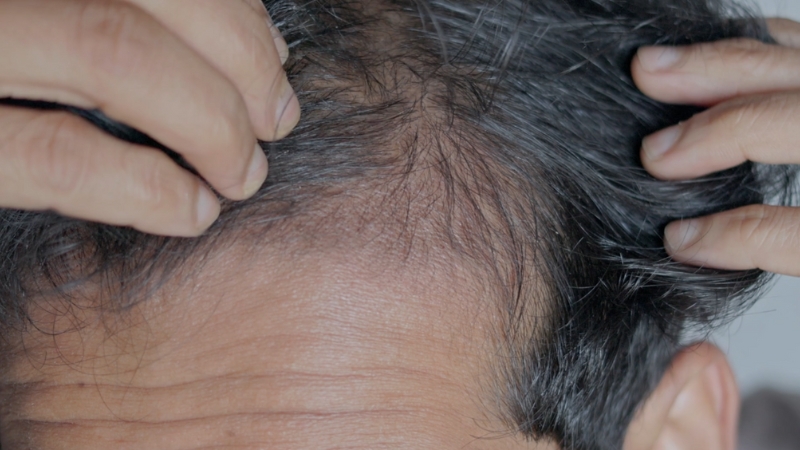
It’s crucial to understand that biotin doesn’t address the underlying cause of male pattern baldness – DHT-induced follicle miniaturisation.
Male pattern baldness is a genetic condition where hair follicles gradually shrink in response to dihydrotestosterone (DHT). No amount of biotin will block DHT or prevent this process.
If you’re experiencing typical male pattern baldness – recession at the temples and/or thinning at the crown – biotin alone won’t slow or reverse it.
Effective treatment for male pattern baldness requires either: – DHT blockers (finasteride, dutasteride) to prevent follicle miniaturisation – Minoxidil to stimulate blood flow and extend the growth phase – Both approaches combined for maximum effectiveness
Biotin can be part of a comprehensive treatment plan, ensuring follicles have the nutrients they need once DHT is controlled and blood flow is improved. But it shouldn’t be your primary treatment strategy for male pattern baldness.
The Verdict: Should You Take Biotin?
For most people without a diagnosed deficiency, biotin supplements are unlikely to dramatically improve hair loss. The limited evidence doesn’t support the marketing claims, and your body likely already has adequate biotin from food and gut bacteria.
However, biotin is safe, inexpensive, and may provide modest benefits for overall hair health as part of a comprehensive approach. If you choose to supplement:
Do: – Choose moderate doses (100-500 mcg rather than mega-doses) – Combine biotin with treatments that have strong evidence (finasteride, minoxidil) – Inform doctors about biotin use before blood tests – Maintain realistic expectations – Give it at least three months before assessing results
Don’t: – Expect biotin alone to reverse male pattern baldness – Take mega-doses (above 1,000 mcg) without a medical reason – Assume more expensive formulations work better – Neglect other aspects of hair health (diet, stress management, scalp care) – Skip proven treatments in favour of biotin
Frequently Asked Questions