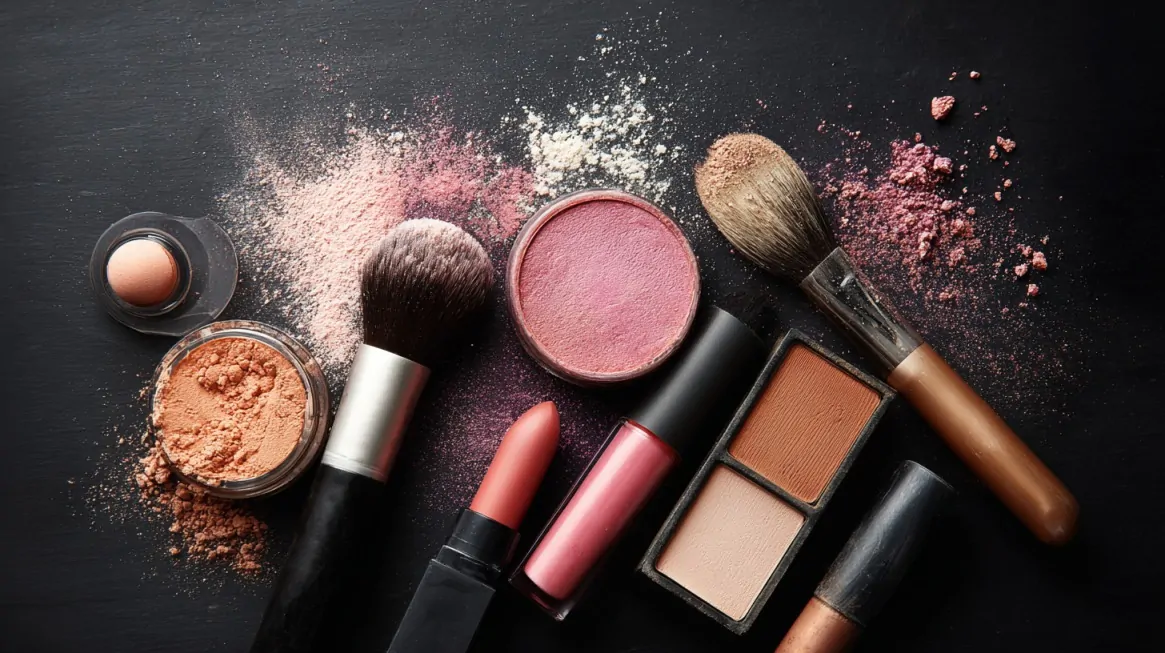

A small makeup shop can look charming from the outside, but anyone who has ever tried to keep a retail door open knows the truth hiding under the pretty shelves. Beauty demand stays strong in good years and slow years.
Shoppers are picky about value and trust. Inventory can move fast one week and stall the next. Cash flow can feel stable in the morning and shaky by evening.
Cosmetics also bring their own set of hygiene expectations, labeling obligations, and sampling rules. So the real story of a viable makeup shop rests on a firm plan, not an inspirational mood board.
Here’s a working blueprint that treats the business like the operational animal it is. You can adjust it to your city, your budget, your niche, and your customer. Beauty can be rewarding, fun, and social, but only when the structure underneath is built with purpose.
Company Description
A company description is not filler. It explains your legal structure, your mission, and the operating model you are choosing, which determines nearly everything you do after launch.
Business Model Choices
Pick one primary model. If you try to be everything, your inventory will lose shape.
| Model | Description |
|---|---|
| Curated Multi-Brand Boutique | You buy wholesale, manage every SKU, and earn a traditional retail margin. You enjoy flexibility. You also carry the weight of forecasting mistakes. |
| Authorized Reseller | You carry specific lines with brand support. You may receive training, merchandising help, and stronger brand recognition. The tradeoff is less freedom in assortment decisions. |
| Indie Brand Incubator | You highlight small brands with strong storytelling. Loyalty can be high. Training demands can rise quickly, and returns can be painful if early batches misfire. |
| Hybrid Retail Plus Services | Makeup lessons, application, or event-based services. Revenue per visit jumps. Licensing and insurance requirements can climb depending on the service menu and your local regulations. |
Legal Structure and Tax Setup
Choose between sole proprietor, LLC, or corporation. The choice shapes liability, taxes, and how you pay yourself.
Obtain required tax identifiers early. An EIN is free through the IRS and often required for banking, payroll, and licensing.
Many founders lean on external advisors when shaping early governance habits, and the Non-Executive Knowledge Centre offers a useful reference point for anyone tightening decision structure before opening day.
Licenses and Permits
Retail licensing usually involves state and city-level steps. Sales tax permit, signage approval, certificate of occupancy, and fire inspection often sit on the list.
Use SBA’s licensing guidance as your starting point, but always verify with your local jurisdiction.
Read more: Something more close but still in the same niche, have you thought about openning a makeup studio instead?
Market Opportunity
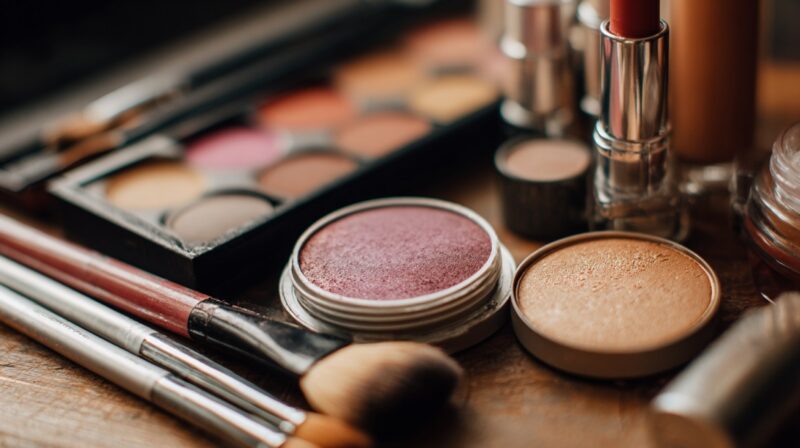
A plan gains weight when it proves the existence of demand and clarifies the battleground where you will compete.
Industry Context That Supports Your Case
Beauty spending in the United States has held momentum. Prestige sales rose by a few billion in the first three quarters of 2025, and the mass market followed upward with strong gains.
Analysts such as McKinsey project roughly 5 percent annual growth over several years across the global beauty sector. Skin care continues to dominate the category value, which helps makeup retailers increase basket size through prep products, tools, and adjacent items.
E-commerce has a meaningful share of retail in the country. Customers will reorder online even when they first discovered your shop in person. Your plan needs to treat online reorder behavior as standard, not optional.
Local Market Research
National numbers open the door, but local evidence keeps it open. Build a profile using Census tools. Map out demographic clusters, income levels, and business density.
Walk your trade area. Count the competitors. Observe foot traffic during weekday mornings, late afternoons, and weekends. Note parking, transit, and nearby anchors.
If you plan to open near a college campus, document student traffic and the surrounding retail mix. Lenders, partners, and even your future self will expect a clear picture of who passes your door and why they stop.
Customer Segments
Pick two to four segments with enough detail to shape your assortment.
| Buyer Type | Description |
|---|---|
| Complexion Repeat Buyers | They come for foundation, concealer, powder, setting spray, tools, and brush cleanser. They repeat every six to ten weeks. Accurate shade matching wins their loyalty. |
| Trend-Driven Buyers | Lip oils, blush, mascara, seasonal palettes, and whatever goes viral. They come back quickly, but hype-driven items can return at a higher rate. |
| Event Buyers | Weddings, proms, corporate shoots, or holiday parties. Basket sizes are larger. They respond well to consultation and convenience. |
| Ingredient Cautious Buyers | Sensitive skin, fragrance concerns, and acne-prone customers. They stay loyal to stores that help them shop without fear. |
Competitive Analysis
List competitors by category so your comparisons are actionable.
| Competitor Type | Description |
|---|---|
| Big Box Beauty | Deep inventory, large loyalty programs, strong price perception. |
| Department Stores | Prestige-driven, heavy on service, sometimes slower in shade range refresh. |
| Drugstores and Mass Merchants | Convenient, limited shade depth, limited consultation. |
| Online Only Retailers | Wide selection, fast discounting cycles, far less try-before-you-buy confidence. |
Products and Assortment Strategy
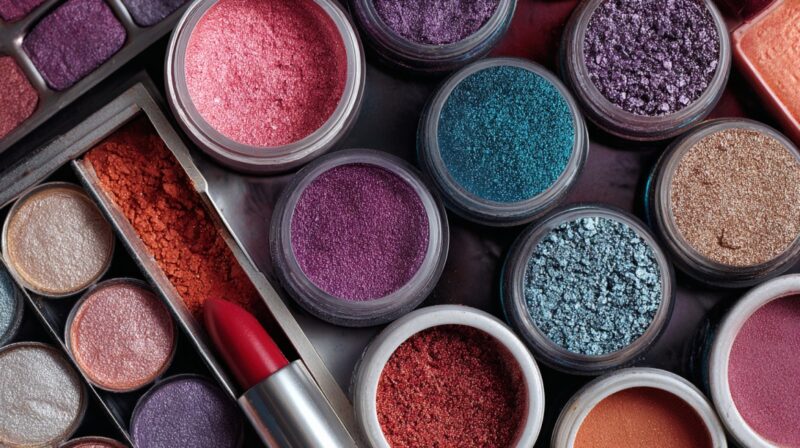
A small makeup shop wins or loses through its inventory habits. Emotion-driven buying is the fastest way to trap cash. A clear assortment structure keeps you safe.
Core Categories That Keep the Mix Balanced
| Product Role | Description / Examples |
|---|---|
| Traffic Drivers | Mascara, brow products, lip liners, minis, basic tools. |
| Margin Builders | Brushes, sponges, accessories, travel kits, and eventual private label. |
| Basket Builders | Skin prep, primers, setting products, fragrance minis, gift sets. |
| Credibility Builders | Pro palettes, shade-inclusive complexion lines, photo-ready products. |
Assortment Rules That Prevent Cash Traps
Keep SKU count tight at launch. Do not load up on depth before sales velocity reveals itself. Use an open-to-buy plan that updates weekly.
Treat essentials with a reorder system that stays constant, while trend items get a dedicated plan with strict exit dates so dead stock does not linger.
Compliance and Safety
Cosmetics bring extra regulation, even for simple retailers.
Labeling and Legitimacy
Cosmetic labels in the U.S. must follow rules for identity, net quantity, ingredient lists, and warnings when needed. Train staff to spot odd packaging like missing ingredient panels, tampered batch codes, or missing distributor information.
Always buy from authorized distributors or reputable wholesalers. Avoid gray market supply that puts you at risk for counterfeit issues and potential regulatory scrutiny.
Adverse Events and Complaints
The Modernization of Cosmetics Regulation Act assigns adverse event reporting responsibilities mainly to the manufacturer or distributor named on the label.
Your shop is not normally the responsible party, but you must still document complaints carefully and direct customers to the correct reporting channel. That simple step builds trust.
Tester Hygiene
Contaminated testers can ruin confidence instantly. The FDA warns about eye cosmetic testers in particular. Use single-use applicators, alcohol wipes for non-porous surfaces, and a visible cleaning routine.
Retire testers on a fixed schedule. Retire them immediately if contamination occurs. Post clear signage so customers know what to expect.
Sales and Marketing Strategy
View this post on Instagram
Let customers know what you stand for. Do not sell the idea of generic makeup. Sell a point of view.
Memorable Positioning That Sticks
- Shade matches that work in indoor and outdoor light
- Makeup that survives heat, humidity, and long shifts
- Sensitive skin compatible routines
- Everyday wearable versions of editorial looks
- K beauty trends with verified authenticity
Channels and Tactics That Work for Small Retailers

Local Acquisition
Hold micro events such as bridal trial nights, ten-minute shade matches during peak hours, seasonal kit launches, or discount days with local creators.
Build partnerships with photographers, salons, wedding planners, gyms, or campuses. A clean tester station visible from the sidewalk can pull in curious walk-by traffic.
Digital Engine
Use short-form video for application and wear tests. Email and SMS work well for replenishment reminders and limited drops.
Keep an online essentials store for reorders and out-of-town customers. If you use influencers, follow the FTC endorsement guidelines and require clear disclosures for any material relationship.
Operations Plan

Day-to-day operations determine whether your shop feels polished or chaotic.
Location and Layout Strategy
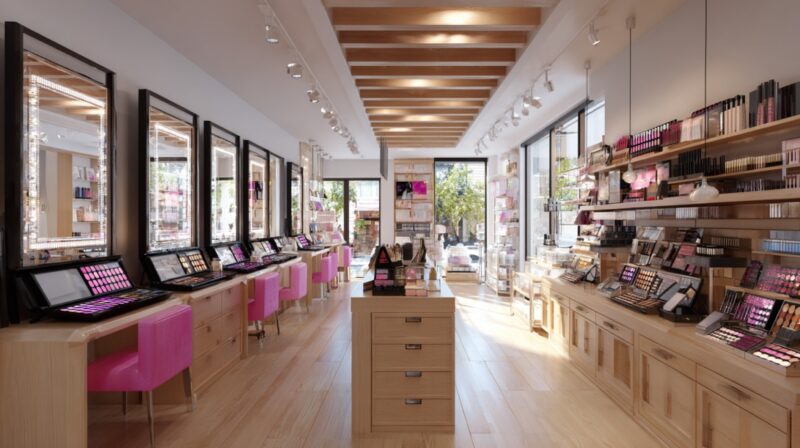
Prioritize sightlines for security. Use lighting that replicates natural conditions for accurate shade matching. Group products by routine rather than by brand only, so customers follow a simple path.
Create a consultation zone with enough privacy to make color matching comfortable. Keep storage close to the sales floor so restocking is quick.
Shrink and Safety Controls
Beauty sits high on theft lists. Losses can stack up quickly. Use some combination of controlled displays for high theft items, weekly cycle counts, trained staff presence, and sane return policies that reduce fraud.
A receipt requirement for returns of certain items can help without hurting honest buyers.
Staffing and Training
- Store manager handles merchandising, inventory, schedules, and reporting.
- Beauty advisors perform shade matching, product education, basket building, and hygiene enforcement.
- Part-time support covers peak hours, events, and online order fulfillment.
Training must cover shade matching in different lighting, ingredient sensitivities, hygiene procedures for testers, return protocols, and complaint escalation.
Management and Organization
A lender or partner wants clarity about who runs what.
Include your background and why it fits the beauty retail model. List key hires you plan to make.
Note your external advisors, such as an accountant, an attorney, an insurance agent, and possibly a mentor from SCORE.
Several SCORE templates also help structure financial planning if you plan to borrow.
Financial Plan

Beauty retail carries heavy inventory requirements. Clear assumptions protect you.
Startup Cost Categories
| Category | What it includes | Notes |
| Lease and buildout | Deposit, paint, lighting, fixtures, signage | Include permit fees and contingency funds |
| Inventory | Opening buy, testers, backstock | Largest cash draw. Stage orders if possible |
| Equipment | POS, barcode scanners, mirrors, security fixtures | Choose scalable systems |
| Professional fees | Legal, accounting, licensing | Varies by state and city |
| Insurance | Liability, property, product liability | Cosmetic sales carry risk |
| Marketing | Launch campaign, media, events | Allocate funds you can measure |
| Working capital | Payroll buffer, replenishment, returns | Prevents cash crunch in early months |
Margin Assumptions
Gross margin is the difference between the retail price and the cost of goods. Contribution margin subtracts variable costs such as payment processing and packaging.
Net margin accounts for rent, payroll, marketing, shrink, utilities, and other overhead.
- Sales per square foot
- Average transaction value
- Conversion rate
- Inventory turn by category
- Shrink percentage
- Return rate
Break-Even Example
Use assumptions, not guesses.
If your average gross margin is 45 percent and your fixed monthly costs sit near $18,000, you need at least $18,000 in gross profit. That equates to roughly $40,000 in monthly sales.
- 40 transactions per day
- Average ticket of $35
- 30 days in a month
- Projected revenue around $42,000
Your plan must then prove your traffic and conversion expectations through local research and your marketing strategy.
Funding Request

If you intend to raise funds, outline the amount needed and how you plan to use it. Inventory, buildout, and working capital usually take the largest share.
For debt financing, propose terms and offer collateral if applicable. Tie your repayment plan directly to your cash flow projections. SBA-aligned plans require income statements, cash flow forecasts, balance sheets, and break-even analysis.
Milestones and KPIs
Set milestones for the first year so progress is measurable..
Thirty to Sixty Days Pre-Launch
- Lease signed
- Permits underway
- Supplier accounts opened
- Planogram drafted
- POS and inventory system configured
- Hiring plan prepared
- Event calendar outlined
Launch to Month Three
- Reach minimum viable sales
- Identify top fifty repeat SKUs
- Cut slow movers early
- Build weekly cycle count habits
- Refine replenishment strategy
Month Four to Month Twelve
- Expand only categories with reliable velocity
- Introduce membership or loyalty perks that raise reorder rate
- Host events that convert, retire events that only generate likes
- Tighten operational routines as traffic grows
Appendix
- Supporting documents lend credibility.
- Competitive map with photos and pricing notes
- Lease assumptions and quotes
- Vendor terms, minimum order details, lead times
- Fixture list and store layout sketch
- Tester hygiene SOP
- Return policy
- Twelve-month sales forecast with clear assumptions
- Cash flow forecast showing inventory cycles
Summary
A small makeup shop has every chance to become a lively, profitable retail anchor when built on realistic expectations. Beauty demand stays resilient, retail mechanics stay unforgiving, and compliance demands stay higher in cosmetics than in many other giftable categories.
The structure above lets you pitch your idea with confidence, manage your inventory with discipline, and serve your customers with clarity.