

Mention it, and people either think it’s menopause (it’s not), or assume it’s just “that time when hormones get weird.” Which, okay, isn’t totally wrong—but it’s nowhere near the full picture.
What’s worse, a lot of doctors don’t seem to get it either. And not because they’re careless or indifferent. It’s often because their training barely touches on it.
Unless they go out of their way to specialize in midlife women’s health, they’re probably relying on dusty info from med school, where, if we’re being honest, the curriculum has traditionally focused way more on fertility and pregnancy than on what happens after.
So patients show up. Exhausted. Foggy. Snapping at people they love. Gaining weight they can’t seem to lose, no matter how “clean” they eat.
Having night sweats that make them feel like they’re sleeping in a swamp. Some leave with a prescription for antidepressants. Others get told, “Your labs look fine.” Many are brushed off entirely.
Hormones Shift Way Before Periods Stop
One of the biggest misconceptions is that perimenopause is something that happens just before menopause. You know, a few months of symptoms, then boom—no more periods.
Not even close.
Hormonal changes often start in a woman’s late 30s to early 40s, sometimes even earlier. Periods may still come like clockwork at first. That doesn’t mean everything under the hood is smooth.
Here’s what starts changing:
- Progesterone begins to decline first because ovulation becomes less reliable. Even if you’re still having a period, you may not be ovulating every month.
- Estrogen becomes erratic, surging higher than usual some days, then dropping like a rock on others.
- Testosterone also tapers off, often leading to lower libido, muscle loss, or general meh-ness.
That rollercoaster can cause symptoms years before menstruation ends for good. We’re talking about a stretch that often lasts four to eight years, though it varies widely.
The Lab Results Lie (Sort Of)
Here’s another place where well-meaning doctors miss the mark: blood tests.
You go in saying, “Something’s off,” and they run hormone labs. If your estradiol, FSH, or LH levels fall within “normal range,” you’re told there’s nothing hormonal happening.
But hormones fluctuate hour to hour in perimenopause. Catch them on a high-estrogen day, and yeah, it might look fine. Or even high. That doesn’t mean you’re not having hot flashes or raging insomnia the next day.
And then there’s the concept of “normal” itself. The reference ranges are based on broad populations, not symptom-free women in their 40s. So being technically “in range” doesn’t necessarily mean your levels are optimal or stable.
Bottom line: symptoms matter more than numbers in this phase of life.
The “You’re Just Stressed” Cop-Out
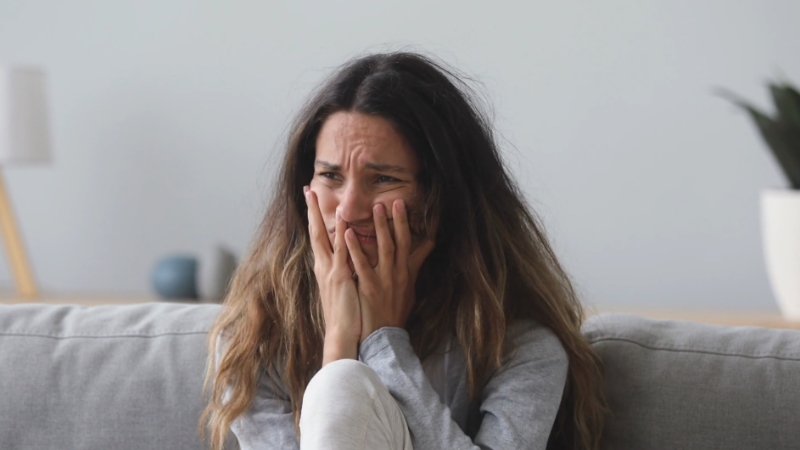
Let’s talk about one of the most maddening phrases patients hear: “Maybe it’s just stress.”
To be clear, stress does impact hormones. Cortisol and adrenal function absolutely play into perimenopausal symptoms. But saying “it’s just stress” and leaving it at that is a lazy half-answer.
Because what’s causing that stress? If someone’s waking up drenched in sweat at 3 a.m., can’t concentrate at work, and feels like crying all the time, those symptoms aren’t random—they’re driven by real physiological shifts.
There’s also a gender bias in medicine that still creeps in. Research shows women’s symptoms are more likely to be labeled psychosomatic or emotional.
Perimenopausal women especially get this brush-off. It’s why so many end up being treated for anxiety or depression without anyone connecting the dots back to their hormones.
Yes, SSRIs can help some women during perimenopause. But they shouldn’t be the first (or only) solution.
Mental Health Shifts Are Real—and Biological
Mood swings. Anxiety spikes. Rage that seems to come out of nowhere.
People don’t always associate those symptoms with perimenopause, but they’re some of the most common. And no, it’s not “just getting older” or “being irritable.”
Fluctuating estrogen can mess with neurotransmitters, especially serotonin and dopamine. The impact is very real. There’s even evidence that women are more vulnerable to major depressive episodes during the perimenopausal transition than at any other time in life, including postpartum.
What doctors should ask isn’t just “Are you sad?” but:
- Has your sleep changed?
- Do you feel more sensitive to rejection?
- Are your moods tied to your cycle, even if it’s irregular?
- Is there a sudden uptick in anxiety, even without new life stress?
All of those can point toward hormone-related mood disruption, not just a mental health disorder in isolation.
Not All Bleeding Changes Are “Normal”
View this post on Instagram
Irregular periods are a hallmark of perimenopause. But not all changes should be dismissed as harmless.
Doctors sometimes wave off heavy bleeding or wildly erratic cycles as “just part of the transition.” And sometimes they are. But persistent symptoms deserve a closer look.
Red flags include:
- Bleeding between periods
- Soaking through pads or tampons in under an hour
- Periods lasting more than 10 days
- Bleeding after sex
Those can be signs of uterine fibroids, polyps, endometrial hyperplasia, or even early-stage cancers. A quick pelvic ultrasound and/or endometrial biopsy can help rule those out.
The mistake isn’t recognizing that bleeding changes happen—it’s failing to distinguish between what’s expected and what might be a sign of something more.
Weight Gain: It’s Not Just “Calories In, Calories Out”
Understanding menopause weight gain 💪https://t.co/cfitbtmcEM
— Joe Wicks (@thebodycoach) August 28, 2024
Perimenopausal weight gain is real. Even for women who eat well and exercise. And it’s often centered around the abdomen, which freaks a lot of people out—not just for aesthetic reasons, but because of the associated health risks.
What often goes unmentioned is how hormones influence metabolism, insulin sensitivity, and fat storage.
Estrogen helps keep fat distribution more in the hips and thighs during reproductive years. As levels decline or fluctuate, fat tends to shift to the belly. At the same time:
- Sleep gets worse
- Cortisol goes up
- Blood sugar regulation gets trickier
That’s a recipe for weight gain—even if nothing else changes.
Telling someone to “just watch their diet” or “exercise more” completely misses the hormonal piece. A better approach often includes:
- Prioritizing protein to preserve muscle mass
- Adding resistance training, not just cardio
- Managing sleep and stress as much as workouts
- Tracking blood sugar to catch early insulin resistance
It’s not about doing more. It’s about doing different and smarter.
Sleep Isn’t Just About Melatonin

Many perimenopausal women describe suddenly waking up at 2 or 3 a.m., often drenched in sweat, hearts pounding, brains racing. Even if they fall asleep easily, staying asleep becomes a battle.
Part of that is due to shifting estrogen and progesterone, both of which support quality sleep. But it’s also tied to:
- Thermoregulation: Hot flashes don’t just hit during the day.
- Cortisol spikes: The stress hormone can jolt you awake in the early morning hours.
- Blood sugar dips: If glucose drops too low overnight, adrenaline kicks in—and so do the wake-ups.
Sleep aids like melatonin help some, but they rarely fix the whole problem. What helps:
- Keeping your bedroom cool as hell (yes, 65°F or lower)
- Supporting blood sugar with a small protein-rich bedtime snack
- Experimenting with bioidentical progesterone, which has a calming effect
- Limiting alcohol, even one glass,s can disrupt sleep architecture
So… What Should Doctors Do Differently?
Short answer: listen better. But also—learn more. Women deserve care that reflects what’s happening, not just textbook theory from 20 years ago.
Here’s a simple framework more providers should follow:
One of the hardest parts of perimenopause is feeling like you’re the only one struggling, while everyone else your age seems to be killing it at work, training for half-marathons, and sleeping like babies. But that’s an illusion. Lots of people are walking around exhausted and irritable, blaming themselves for not “handling things better,” when hormones are doing backflips behind the scenes. So if your doctor hasn’t taken you seriously? Find another one who does. You don’t have to “just deal.” You don’t need to tough it out until menopause finally hits. There’s help. There are options. And you’re not crazy for feeling like something shifted—even if your labs don’t show it. Perimenopause isn’t just a hormonal blip. It’s a significant chapter. And it deserves more attention, especially from the people who are supposed to help you through it.
Step
What to Ask or Do
1. Symptoms First
Ask detailed questions about mood, sleep, periods, weight, and libido—not just hot flashes.
2. Cycle Tracking
Encourage tracking symptoms, not just periods. Apps can help.
3. Blood Work (Optional)
Use labs to rule things out (thyroid, anemia, etc.), not as the sole diagnostic tool.
4. Education
Explain what’s happening hormonally, even if treatment isn’t needed yet.
5. Treatment Options
Consider bioidentical hormone therapy, sleep support, lifestyle tweaks, and CBT-I for insomnia. Avoid knee-jerk antidepressants unless clearly indicated.
Real Talk: You’re Not Making It Up