
Yes, retinol does expire. Most over-the-counter retinol products remain effective for 12 to 24 months after opening, though the exact shelf life depends on the formula, packaging, and how you store it.
Using expired retinol isn’t just less effective—it can sometimes irritate your skin or even go rancid. If you want your retinol to work its best (and avoid skin trouble), you need to know how to spot when it’s expired and how to store it right from day one.
How Long Does Retinol Last?
Retinol’s shelf life depends on the formula, the packaging, and how you store it day-to-day. Here’s a detailed guide based on what you’re most likely to see on shelves and in your bathroom cabinet:
Type of Product
Unopened Shelf Life
Opened Shelf Life
Why It Matters
Pure Retinol Serums
2 years
6–12 months
These are very powerful but break down fast
OTC Retinol Creams
2 years
12–18 months
Often mixed with stabilizers
Prescription Retinoids
2 years
6–12 months
Tretinoin is powerful but delicate
Encapsulated Retinol
2–3 years
12–24 months
Special capsules keep it fresher longer
If you can’t remember when you bought or opened your retinol, it’s best to start fresh. And yes, that “miracle” serum you found in a drawer from two birthdays ago is probably useless now.
How Do You Know When Retinol Is Expired?
Retinol isn’t like a carton of milk with a clear “best before” smell, but there are obvious signs. Over the years, I’ve had my share of half-used tubes and bottles go bad, and trust me—it’s not always subtle.
Here’s What to Look For
- Color Changes: Fresh retinol is usually a pale yellow or light cream. If your product is turning a dark yellow, orange, or brown, it’s oxidizing. That means it’s been exposed to air or light and is losing strength.
- Texture Issues: If your serum is separating (you see an oily layer or gritty bits) or your cream feels unusually thick, sticky, or lumpy, it’s probably gone bad. Retinol should go on smoothly.
- Strange Smells: While most retinol creams and serums don’t have a strong scent, expired ones can start to smell sour, metallic, or just…weird. If you notice any odd odor, toss it.
- New Irritation: Maybe you used the same product for months with no issues, but suddenly you’re getting red, itchy, or flaky skin. Expired retinol can break down into byproducts that are much harsher on your face.
I once used an old retinol cream (trying to be frugal) and ended up with an itchy, burning rash around my nose and mouth—lesson learned. A bad reaction is NOT worth saving a few bucks.
Why Does Retinol Expire So Fast?
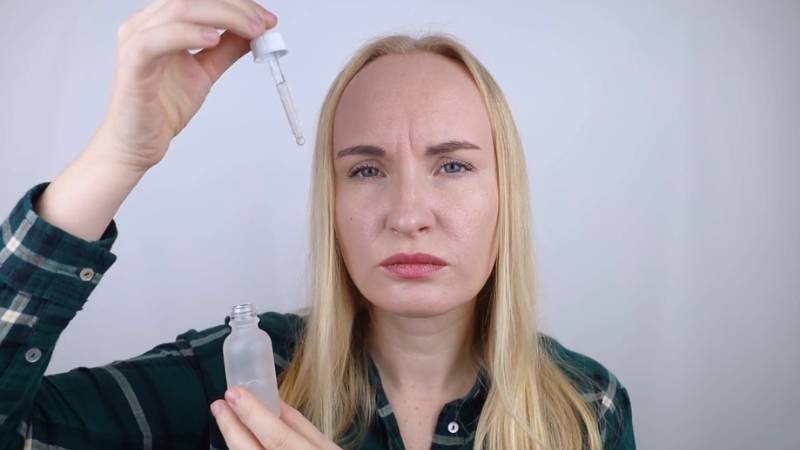
Retinol is one of the most unstable active ingredients in skincare. It breaks down quickly when exposed to:
- Light (UV rays break the molecule apart, so you’ll see most brands use dark or opaque bottles)
- Air (oxygen triggers oxidation, making the product less effective and sometimes irritating)
- Heat (store your retinol in a hot bathroom, and it’ll break down way faster)
Some brands use encapsulation technology to slow down this process—tiny bubbles or capsules protect the active ingredient until you apply it.
How to Store Retinol and Make It Last Longer
@lizkennedy__ Don’t forget to keep it in a dry cool space too! #retinol #learnontiktok #tiktokpartner ♬ original sound – Liz Kennedy
Most of us keep our skincare in the bathroom, but honestly, that’s one of the worst places for retinol. Steam from showers, fluctuating temperatures, and stray sunlight all speed up the breakdown process.
Here’s how I keep my retinol fresh as long as possible:
Storage Spot
Pros
Cons
My Take
Cool, dark drawer
Protects from light and heat
Easy to forget about
Best option overall
Refrigerator
Slows down breakdown, especially for serums
Can feel a bit cold on your face
Great for hot climates
Bathroom cabinet
Convenient
Warm, humid environment—risk of spoilage
Use only if no sunlight
On open shelf/window
None
UV and heat destroy retinol fast
Never store here
- Always close the cap tightly after each use—don’t let air in.
- Use airless pump packaging when possible (less exposure to air).
- Never leave your skincare in a hot car, gym bag, or window ledge.
- If you want to get fancy, a mini skincare fridge is great (and fun, honestly).
What Happens If You Use Expired Retinol?
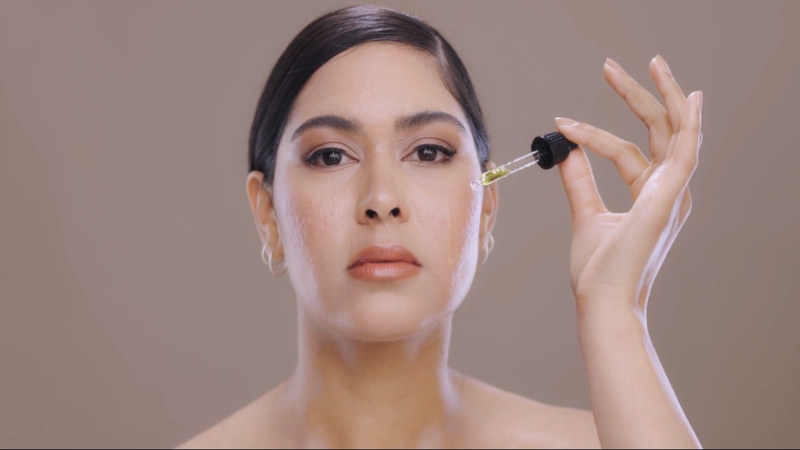
Some people think “expired” just means “less strong,” but that’s not always true. Here’s what happens:
- Potency drops off—you may be using retinol for months with zero results, wondering why your skin isn’t improving.
- Irritation risk goes up—as retinol breaks down, it can become more acidic and unpredictable, leading to redness, stinging, or even breakouts (even for people who never reacted before).
- Texture and color changes—an expired product can pill, feel greasy, or even stain your pillowcase.
- Waste of money—no one likes spending on a luxury serum just to toss it out, but using expired actives just isn’t worth it.
If you’re serious about seeing results (fewer wrinkles, smoother skin, clearer pores), you want your retinol to be fresh and at full strength. I mark the opening date with a Sharpie right on the bottom of the bottle so there’s no guessing.
How Can You Make Retinol Last as Long as Possible?
- Buy what you’ll use within 6–9 months.
Skip the jumbo sizes unless you’re splitting with a friend.
- Write the open date on the bottle. Even just a sticky note works.
- Keep the packaging closed tightly and out of direct sunlight.
If you’re traveling, wrap the bottle in a sock or scarf so it doesn’t get warm.
- Opt for brands using airless pumps, opaque bottles, or encapsulation.
These small details do keep retinol stable longer.
- Don’t dip dirty fingers in jars.
Always use a clean spatula or cotton swab, especially with pots and jars.
Final Thoughts
View this post on Instagram
I’ve seen firsthand how expired retinol just doesn’t deliver—wasted weeks, wasted money, and sometimes, really uncomfortable skin. If you want the most from your investment, keep your retinol cool, dark, and sealed, and pay attention to the details.
It’s worth being a little bit picky with storage and tracking, because when retinol is fresh, it can truly transform your skin. When it’s expired, you’re better off tossing it and starting fresh.
If you have a retinol product you’re unsure about, or want help picking a formula that lasts, just ask. Your skin deserves the good stuff, and a little care goes a long way.