

Stress isn’t just a mental buzzkill. It gets into your skin — literally. You wake up after a few rough nights, glance in the mirror, and… yeah, your face tells the whole story.
Dull tone, more lines than usual, maybe even a breakout or two. Sound familiar?
Here’s the kicker: that’s not just your imagination. Chronic stress can speed up how fast your skin ages. We’re talking fine lines, dryness, sagging — the whole lineup.
It’s not just because you forgot your moisturizer a few nights in a row. It’s biological, and it runs deep.
But before you panic-Google “anti-aging miracle cream,” take a breath. Once you know what’s happening under the surface, you can start making moves that actually help.
A Quick Look
Effect of Stress on Skin
What’s Happening
How to Prevent or Reduce It
Telomere Shortening
Cells age faster
Exercise, meditation
Oxidative Stress
Damages collagen
Antioxidants in food/skincare
Inflammaging
Chronic inflammation
Anti-inflammatory diet, sleep
Weak Skin Barrier
Dryness, irritation
Hydrating creams, SPF
DNA Damage
Impairs cell renewal
Reduce cortisol, use antioxidants
Slow Healing
Scarring, dullness
Oxygen therapy, rest, and social support
How Stress Ages Your Skin (and Not Just a Little)
Stress isn’t just a mental or emotional thing. It has a biological impact on nearly every system in your body, skin included.
And when the stress is constant, so is the damage. Here’s how it plays out beneath the surface:
Telomere Shortening – Your Skin’s Biological Clock Speeds Up
Every time your skin cells divide, the protective caps at the ends of your chromosomes — called telomeres — get a little shorter. It’s a normal part of aging. But chronic stress? It speeds up the shortening process.
And once those telomeres shrink too much, the cell can’t divide anymore. That means fewer fresh skin cells and a faster ticket to wrinkles and dullness.
Oxidative Stress – The Free Radical Free-for-All
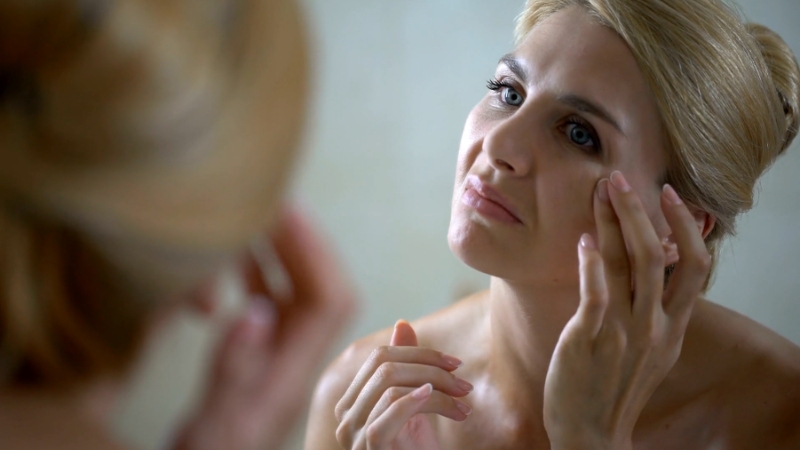
Stress ramps up the production of reactive oxygen species (ROS). These are unstable molecules that chip away at your cells and suck the life out of your collagen and elastin.
Basically, they act like little wrecking balls, breaking down the scaffolding that keeps your skin firm and smooth. Long-term oxidative stress? It’s one of the main culprits behind sagging, roughness, and crepey texture.
Inflammation – Say Hello to “Inflammaging”
Inflammation isn’t always bad — it helps heal wounds, for instance. But when stress keeps your body in a constant state of “fight or flight,” inflammatory chemicals called cytokines start running the show.
They break down collagen and elastin, damage your skin barrier, and even mess with the skin’s microbiome. Over time, that chronic inflammation turns into what researchers call inflammaging — aging that’s driven by long-term internal irritation.
DNA Damage – A Cellular Breakdown
Stress hormones like cortisol and adrenaline don’t just make you feel jittery — they also mess with your DNA. They can trigger damage in the very blueprint your skin cells rely on to function properly.
And once that DNA damage builds up, your skin loses its ability to regenerate efficiently. Translation: you’ll see more age spots, more dullness, and more uneven texture.
Weak Skin Barrier – Moisture Out, Pollutants In
View this post on Instagram
Your skin’s outermost layer is your armor — it keeps bad stuff out and moisture in. But stress weakens that barrier, making it more permeable.
You lose hydration faster, and pollutants or allergens can sneak in more easily. Result? Dryness, irritation, and even more visible aging.
Slower Wound Healing – The Long Road to Repair
Ever notice a breakout or scratch that just won’t heal when you’re feeling stressed? That’s not a coincidence.
Stress slows down wound healing, which means your skin struggles to bounce back from damage. Scars can stick around longer, and your overall skin regeneration takes a hit.
What Stress-Aged Skin Looks Like
@dr.mehss Chronic stress affects skin (acne, eczema, dryness) and overall health (anxiety, fatigue, headaches, digestive issues). Managing stress with exercise, relaxation, and professional support is essential for well-being. #stress #stressrelief #stressmanagement #mentalhealth #dryskin #psoriasis #eczema #acne #skincare #hairloss #dermatology #foryou #foryoupage #fyp ♬ original sound – clara
You don’t need a microscope to see what stress does to your face. The effects are usually front and center:
- Dry, flaky skin – Your moisture barrier’s under siege.
- Sallowness or dull tone – Blood flow to the skin slows down when stress is high.
- Rough patches – Cell turnover gets thrown off, so dead cells build up.
- Deep expression lines – All that frowning, squinting, and jaw-clenching adds up.
- Looking older than your age – Yep, one study found that high-stress lifestyles can make people look up to 3.5 years older.
Add in poor sleep, sugar cravings, or a few too many late-night glasses of wine, and the impact multiplies.
What You Can Do
You’re not going to eliminate stress — let’s be honest. But you can manage it better. And when you do, your skin benefits big time.
Start with Stress Management

1. Meditation & Mindfulness
You don’t need to sit cross-legged for hours. Even 5-10 minutes of deep breathing or guided meditation can lower cortisol levels.
Try apps like Headspace or Insight Timer, or simply close your eyes and take slow, intentional breaths.
2. Exercise
Movement is medicine. It increases blood flow, helps oxygenate your skin, and releases endorphins that fight stress. Yoga, swimming, walking — it doesn’t have to be intense. Just be consistent.
3. Nutrition That Fights Back
Eat for your skin. That means:
Nutrient
Benefits for Skin
Food Sources
Vitamin C
Collagen production
Bell peppers, strawberries, citrus
Vitamin E
Antioxidant defense
Almonds, sunflower seeds
Omega-3s
Anti-inflammatory
Salmon, chia seeds, walnuts
Zinc
Wound healing
Pumpkin seeds, chickpeas
Murad Skincare’s philosophy of “eating your water” — consuming hydrating foods like cucumbers and melons — also helps keep skin plump and resilient.
Smart Skincare
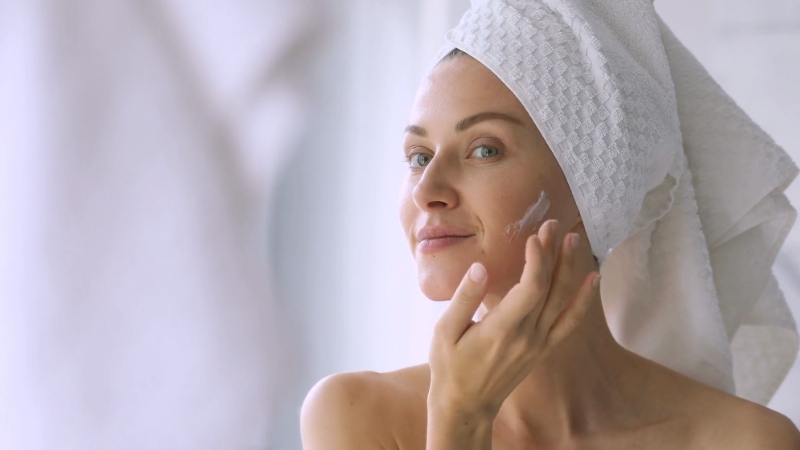
Hydration First
Go for moisturizers that include:
- Hyaluronic acid – binds water to your skin
- Ceramides – rebuild the barrier
- Glycerin – helps pull in moisture from the air
Apply right after showering to lock in hydration.
Antioxidants Are a Must
These help fight oxidative stress. Look for:
- Vitamin C serums – brighten and support collagen
- Green tea extract – calms inflammation
- Niacinamide – evens out tone and boosts elasticity
Retinol (But Gently)
Retinol can do wonders for fine lines and texture, but ease into it. Use it at night, maybe 2–3 times a week to start, and follow with moisturizer. Murad’s retinol night creams are specifically designed for sensitive or stressed skin.
Always Use SPF
No exceptions. UV exposure is still one of the biggest contributors to premature aging — and it hits even harder when your skin is stressed. Go for SPF 30 or higher, broad-spectrum, every day.
Other Lifestyle Fixes That Matter
Prioritize Sleep
‘I’m a skin care expert – a common misstep in bedtime routines causes more wrinkles over time’https://t.co/GLUDOIgHHT
— GB News (@GBNEWS) October 18, 2024
Aim for 7–9 hours. During deep sleep, your skin goes into repair mode. Skimp on rest, and you’ll see more fine lines, puffiness, and irritation.
Ditch the Cigarettes and Cool It on Alcohol
Smoking chokes your skin’s oxygen supply. Alcohol dehydrates and disrupts collagen. Neither helps if you’re trying to look fresh and firm.
Stay Connected
Talking to people — friends, therapists, family — reduces perceived stress. And less stress means better skin, too. Social support has been shown to actually buffer the physical effects of stress.
If stress feels overwhelming or isolating, seeking help from mental health professionals — such as those at PurposeHealingCenter— can make a real difference.
Treatments That Can Help Undo the Damage
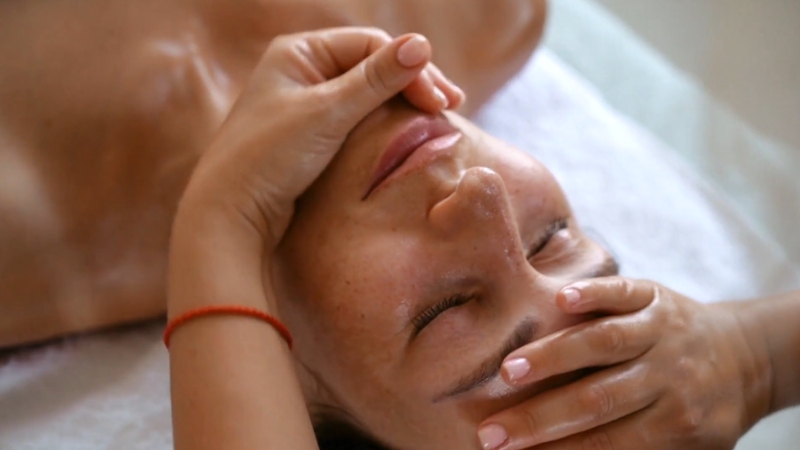
Professional treatments can help if stress has already taken a visible toll.
- Facials: Deep hydration, lymphatic drainage, and stress relief all in one.
- Microneedling: Stimulates collagen and improves texture.
- Laser therapy: Targets pigmentation, boosts firmness.
- Hyperbaric oxygen therapy: Promising results for skin healing, especially after chronic stress.
What’s on the Horizon?
Science is exploring new ways to stop stress-related skin aging in its tracks:
- Glucocorticoid blockers – could help reverse cortisol-induced damage
- Beta-blockers may speed up barrier recovery
- Supplements – some target mast cells to reduce inflammation
- Emotional disclosure therapy – surprisingly effective in speeding up wound healing after stressful events
Most of these are still being studied, but they offer hope for more targeted solutions in the future.
Final Thoughts
Your skin doesn’t lie. It reflects what’s going on inside, and stress leaves its fingerprints everywhere. From dullness and dryness to deep wrinkles and stubborn scars, chronic stress has the power to fast-forward aging in ways we’re only beginning to fully grasp.
But here’s the good news: you’re not powerless. With smarter habits, better skincare, and a little self-kindness, you can push back against the effects of stress. Your skin doesn’t have to wear your stress for you.
Take care of your mind, and your skin will follow.