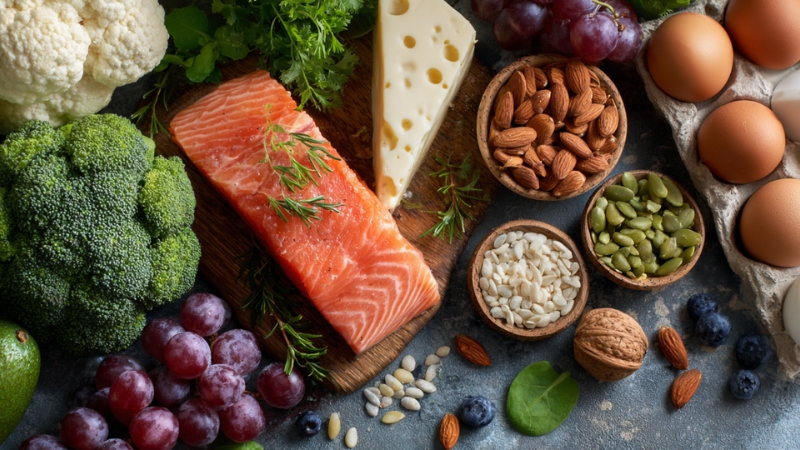


Eating while breastfeeding is not about following a flawless diet or chasing trendy superfoods. It is about maintaining stable energy, a steady mood, and comfortable digestion for both you and your baby.
What you eat becomes the raw material for milk production, hormone balance, and daily recovery.
When nutrition is inconsistent, the first things many mothers notice are fatigue that never fully lifts, emotional swings that feel out of proportion, and digestive discomfort that makes meals feel heavy instead of nourishing.
Why Energy Drops So Easily During Breastfeeding

Breastfeeding increases daily energy demand by hundreds of calories, but the issue is not just calories. It is how evenly that energy enters your system.
Long gaps between meals, heavy sugar-based snacks, or meals built mostly on refined carbohydrates cause quick spikes and crashes. These crashes show up as sudden exhaustion, shakiness, brain fog, or irritability.
What stabilizes energy best is a combination of three core elements at most meals: slow-digesting carbohydrates, adequate protein, and healthy fats. When those three are missing, even large meals can leave you feeling depleted shortly after eating.
Protein: The Foundation Of Physical And Emotional Resilience
Protein is one of the most underestimated nutrients during breastfeeding. It is required for tissue repair, hormone production, neurotransmitter balance, and milk synthesis.
When protein intake is too low, many mothers notice increased anxiety, emotional fragility, cravings, and prolonged post-meal fatigue.
Reliable, gentle protein sources include eggs, yogurt, cottage cheese, poultry, lentils, beans, tofu, fish, and well-cooked meats. You do not need extreme amounts.
You need a consistent presence across the day. Even small protein portions added to snacks can dramatically improve mood and energy stability.
Carbohydrates: Not All Energy Feels The Same
@elizabethmaclay I get asked often about how low carb/ keto diet affects my milk supply for breastfeeding, and for me it has worked out great. I have a great supply and feel better when I eat low carb! #wieiad #whatieat #whatieatinaday #postpartum #postpartumbody #weightloss #keto #lowcarb #mom #momtok #sahm #sahmsoftiktok #5monthspostpartum #diet #fitmom #healthy #fyp ♬ Positive Nanana – BlackTrendMusic
Carbohydrates directly influence milk production and the nervous system’s calm. Very low-carb intake during breastfeeding often leads to irritability, insomnia, and reduced milk supply.
At the same time, carbohydrate quality matters.
Whole grains, oats, rice, potatoes, fruit, and cooked vegetables provide slow, steady glucose release. Ultra-refined sugar and white flour cause sharp mood and energy swings that many mothers misinterpret as hormonal instability when the real driver is blood sugar fluctuation.
Fats: The Quiet Regulator Of Mood And Hormones
Healthy fats support hormone synthesis, brain chemistry, and emotional regulation. Many postpartum mood issues are intensified when fat intake is chronically too low.
Fat also helps slow digestion, which protects against energy crashes.
Avocados, olive oil, nuts, seeds, full-fat dairy if tolerated, and fatty fish provide the type of fats that stabilize both mood and milk composition.
Omega-3 fats are particularly important for nervous system support in both mother and baby.
Hydration: Why Water Alone Is Often Not Enough

Breastfeeding dramatically increases fluid demand. Thirst increases, but many mothers still fall behind on hydration because water alone does not always restore balance.
Electrolytes such as sodium, potassium, and magnesium regulate fluid distribution, nerve signaling, and muscle function.
When hydration is insufficient or mineral balance is off, fatigue deepens, headaches appear, and digestion slows. Broths, lightly salted meals, mineral-rich foods, and occasional electrolyte drinks often restore energy more effectively than water alone.
Digestive Comfort: Supporting Your Gut So Your Baby’s Gut Stays Calm
Digestion during breastfeeding becomes extremely sensitive. Many mothers report bloating, gas, reflux, or irregular stools after childbirth. When digestion is unsettled, appetite drops, nutrient absorption falls, and emotional resilience weakens.
Gentle foods during early postpartum often include soups, stews, cooked grains, soft vegetables, yogurt, kefir, bananas, rice, and oatmeal. These foods place less mechanical stress on digestion while still providing nutrients.
Digestive distress in the mother often mirrors digestive discomfort in the baby. When a nursing infant struggles with gas, a tight belly, or prolonged crying episodes, parents sometimes turn to remedies like colic drops for infants, but maternal digestion is often part of the same story.
When the mother’s gut settles through better food choices and regular meals, infant digestion frequently becomes gentler as well.
Micronutrients That Quietly Shape Energy And Mood
| Nutrient | Why It Matters During Breastfeeding |
| Iron | Prevents fatigue and dizziness |
| Magnesium | Supports sleep and nerve calm |
| B vitamins | Support energy production |
| Iodine | Supports infant brain development |
| Calcium | Protects bone density |
| Zinc | Supports immunity and wound healing |
Deficiencies in these nutrients rarely feel dramatic at first. They show up slowly as tunnel fatigue, irritability, brittle mood, weak appetite, and poor sleep.
Foods That Commonly Disrupt Energy Or Digestion
Certain foods affect breastfeeding bodies more intensely than they did before pregnancy. Large amounts of caffeine can worsen anxiety and sleep quality in both mother and infant.
Very spicy foods sometimes trigger reflux or infant irritability. Alcohol stresses milk production and metabolism even in small amounts. Highly processed foods often worsen bloating and emotional volatility.
These foods do not need to be demonized. They simply need to be respected for their impact.
How To Structure A Day Of Eating While Breastfeeding
What matters more than perfection is rhythm. Most breastfeeding mothers feel best with three real meals and one to three small snacks spaced evenly.
Skipping meals almost always backfires emotionally and physically.
A stable day often looks like this in structure:
- Breakfast that includes protein and slow carbohydrates.
- Midday meal that combines grains, vegetables, protein, and fat.
- Evening meal that is warm, easy to digest, and nutrient-dense.
- Have small snacks when hunger appears instead of ignoring it.
This pattern protects against the sharp energy collapses that affect both mood and patience.
Postpartum Appetite Changes Are Normal
View this post on Instagram
Some mothers feel constantly hungry. Others feel strangely uninterested in food. Both are normal nervous system responses to hormonal shifts.
Appetite does not always align with true nutritional need during early breastfeeding. That is why meal structure often matters more than appetite cues alone.
Consistently nourishing yourself even when hunger is muted frequently restores appetite naturally over the following weeks.
When Diet Alone Is Not Enough
There are moments when food alone cannot correct exhaustion, low mood, or digestive distress. Severe postpartum anemia, thyroid disruption, and postpartum depression require medical care.
Supplementation should be guided by testing, not guessing. If mood feels persistently dark or anxiety feels overwhelming, nutrition should support treatment, not replace it.
Conclusion

What you eat while breastfeeding shapes more than milk composition. It shapes your energy curve, your emotional resilience, your digestion, and your capacity to rest. The secret is not in strict rules.
It is in consistency, gentleness, and nourishment that one feels stable rather than restrictive.
Protein protects your nerves. Carbohydrates protect your mood. Fats protect your hormones. Minerals protect your hydration. When these are present reliably, your body feels safer.
When your body feels safer, everything from milk production to sleep quality improves.