
Getting older does not automatically mean losing teeth or developing serious dental problems.
Many adults keep their natural teeth throughout life, especially when oral hygiene, regular dental care, and preventive treatment stay consistent.
After age 50, several oral changes can happen at the same time.
Gum recession, tooth wear, dry mouth, older dental restorations, missing teeth, and bite changes may all require closer attention.
Age is only one factor. Medications, medical conditions, previous dental work, genetics, grinding, diet, smoking, and long-term hygiene habits can influence oral health just as strongly.
Knowing which changes are common and which deserve professional attention can help prevent minor problems turning into painful or expensive dental treatment.
Dental Problems After 50 That Are Not Normal
Aging can change teeth and gums, but several dental problems should never be dismissed as unavoidable consequences of getting older.
Persistent Tooth Sensitivity

Brief sensitivity can happen after gum recession or enamel wear. Persistent, worsening, or severe sensitivity may indicate a more significant problem.
- exposed roots
- cavities
- enamel erosion
- cracks
- grinding
- leaking fillings
- problems beneath crowns or other restorations
Pain that lingers after hot or cold exposure deserves particular attention because it can sometimes indicate inflammation inside a tooth.
Severe or rapidly worsening pain should be assessed promptly, and people in Oslo who need urgent care can reach out to Akutt Tannlege for emergency dental treatment.
New Cavities and Decay Around Old Dental Work
Cavities can still develop at any age. After 50, certain areas may become especially vulnerable.
National survey data show that 12.5% of U.S. adults aged 65 and older who still had natural teeth had at least one untreated cavity during the 2017 to March 2020 survey period.
- exposed tooth roots
- edges of older fillings
- areas beneath crowns or bridges
- tight spaces between neighboring teeth
Reduced saliva can increase risk even further because less natural protection is available against acids and bacteria.
New decay often causes no pain during its early stages, making routine dental examinations important even when everything feels normal.
Bleeding, Red, or Swollen Gums
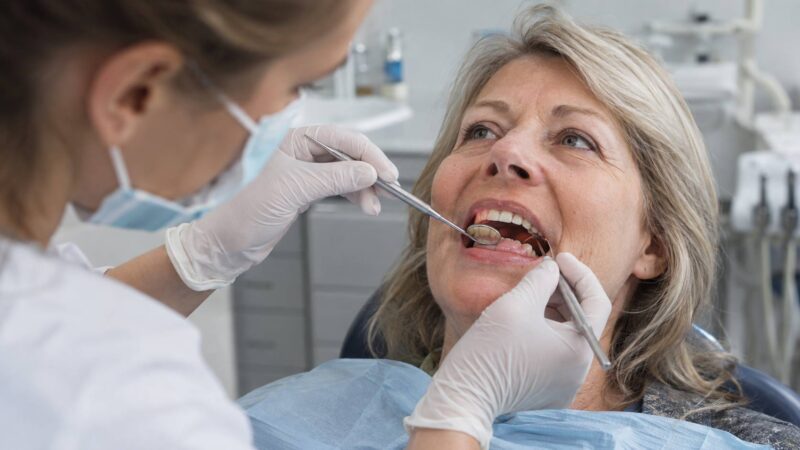
Healthy gums should not bleed frequently during normal brushing or flossing.
Repeated bleeding, redness, swelling, tenderness, or gum recession can indicate gingivitis or periodontal disease.
Periodontal disease is especially common later in life. U.S. survey data collected between 2009 and 2014 found periodontitis in 59.8% of adults aged 65 and older who still had natural teeth.
Periodontal disease affects tissues supporting each tooth. Without treatment, inflammation can damage bone around tooth roots and eventually contribute to tooth mobility or tooth loss.
Occasional irritation can happen after aggressive brushing or flossing, but repeated bleeding deserves evaluation.
Loose Adult Teeth
Mobility can develop because of advanced periodontal disease, trauma, excessive bite pressure, grinding, bone loss, infection, or other dental problems.
Any adult tooth that starts moving noticeably should be examined promptly.
Early treatment may sometimes help stabilize affected teeth and reduce additional damage.
Tooth loss becomes more common with age, buorat it should not be treated as an unavoidable biological process. U.S. adults aged 65 and older have an average of 21 natural teeth remaining, while about 15% have lost all of their natural teeth.
Rapid Tooth Wear and Broken Dental Work
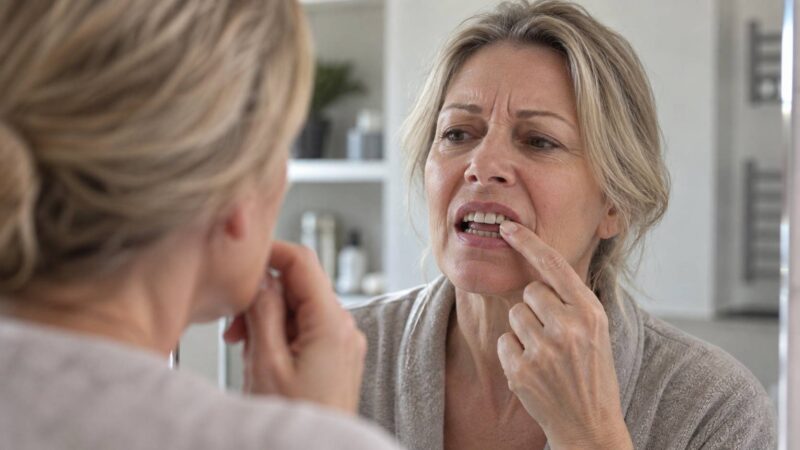
Visible shortening over a relatively short period, repeated fractures, chipped crowns, or broken fillings can point toward grinding or clenching.
Heavy bite forces can gradually wear through enamel and place additional stress on teeth that already contain large fillings or crowns.
Morning jaw soreness, facial muscle fatigue, or headaches can provide additional clues.
Common Dental Changes After 50 That Are Usually Normal
Several changes become more common as teeth, gums, and dental restorations accumulate decades of use.
Gradual changes that stay stable and cause little discomfort are often less concerning than symptoms that appear suddenly or continue getting worse.
Darker or More Yellow Teeth With Age
Teeth often look darker with age. Enamel slowly becomes thinner over time, allowing more of the naturally darker dentin underneath to become visible.
Surface staining can also accumulate after years of drinking coffee, tea, red wine, or other strongly pigmented beverages and foods.
Gradual color change is usually cosmetic rather than a sign that teeth are unhealthy. Sudden darkening of one tooth, however, deserves a dental examination because it can sometimes indicate damage inside that tooth.
Gradual Tooth Wear After 50
Decades of chewing can slowly alter tooth shape. Biting surfaces may become flatter, front teeth may look slightly shorter, and small chips can appear along worn edges.
Minor wear often develops slowly enough that people barely notice it.
More rapid wear deserves closer attention, especially when teeth are becoming visibly shorter or dental work keeps breaking.
Grinding and clenching can accelerate normal wear and may eventually expose deeper tooth structure.
Gum Recession and Root Sensitivity
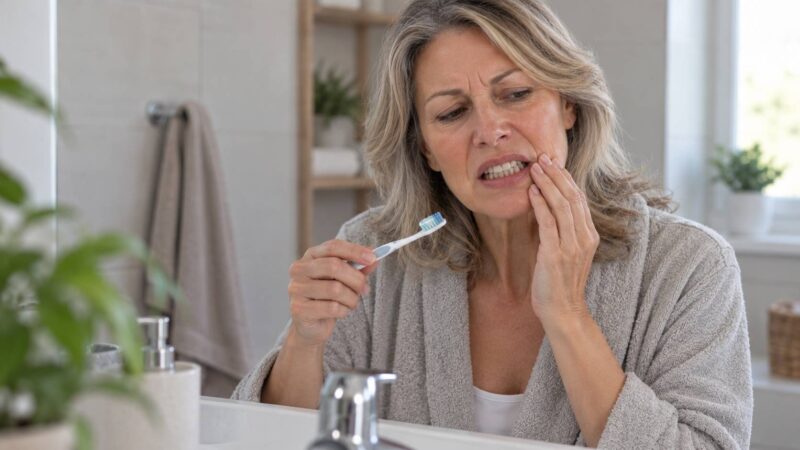
Gums may gradually pull back and expose part of a tooth root. Recession can make teeth look longer and may increase sensitivity.
Exposed root surfaces lack the same protective enamel found on tooth crowns.
- drinking cold beverages
- eating hot foods
- consuming sweets
- brushing exposed areas
- biting or placing pressure on a sensitive tooth
Mild recession can sometimes stay stable for years. If you notice rapid progression, bleeding, swelling, or loose teeth, have a dentist evaluate it.
Aging Fillings, Crowns, and Bridges
Fillings, crowns, and bridges do not automatically need replacement simply because they are old.
Years of chewing can still cause gradual wear, small cracks, rough edges, or changes in fit.
Dental professionals usually monitor existing restorations during routine examinations and replace them when damage, leakage, decay, or structural weakness becomes a concern.
A well-functioning restoration may continue working for many years even when it has been in place for a long time.
Dry Mouth After 50
Dry mouth becomes increasingly common later in adulthood, especially among people taking several medications.
Among adults older than 65, about 30% experience xerostomia, with prevalence rising to as much as 40% after age 80. Risk is also greater among people taking more than four prescription medications each day.
Saliva plays several important roles in oral health. It helps wash food particles away, neutralizes acids, protects enamel, lubricates tissues, and makes swallowing easier.
Reduced saliva can therefore raise cavity risk even when brushing habits have not changed.
@dr_naomipotter Declining oestrogen can affect the entire body, including your mouth. As oestrogen levels decline, the oral mucosa (the moist lining of your mouth) can become dry and irritated. This can lead to symptoms like dry mouth, sore tongue, difficulty swallowing, and even trouble speaking comfortably. Some women may also experience receding gums or loosening teeth. These oral symptoms of menopause can be uncomfortable, but there are quite a lot of things that can help: ✔️ Switching to a milder toothpaste ✔️ Using over-the-counter artificial saliva lozenges ✔️ Gentle brushing techniques ✔️ And for many, HRT can ease dryness and inflammation If you are noticing changes in your mouth, especially if it is a new lump or sore or they are persistent, it is important to speak to your dentist. #menopause #menopausesymptoms ♬ original sound – Dr. Naomi Potter
Teeth Shifting and Bite Changes
Teeth can gradually move throughout adulthood. Small changes in spacing or crowding may become more noticeable after age 50.
Shifting can alter how teeth meet when biting and may create tighter spaces that are harder to clean.
Minor movement is not always dangerous, but noticeable changes deserve attention when they interfere with chewing, cleaning, or bite comfort.
When to See a Dentist After Age 50
Dental problems are often easier to manage when identified early.
- persistent tooth sensitivity
- gums that bleed regularly
- new or worsening gum recession
- loose fillings, crowns, or teeth
- cracked or damaged teeth
- chronic dry mouth despite adequate hydration
- changes in how teeth fit together during biting
- difficulty chewing
- food becoming trapped in new areas
- morning jaw soreness
- recurring headaches linked to possible nighttime grinding
- increasing tooth mobility
- noticeable tooth shifting
Small changes in a filling, crown, tooth, or gum can sometimes be managed with relatively simple treatment when caught early.
Delaying care can allow decay, cracks, gum disease, or bite problems to progress until more extensive treatment becomes necessary.
FAQs
What to Remember
Dental changes after 50 can include gradual enamel wear, mild discoloration, gum recession, dry mouth, shifting teeth, and aging restorations.
Cavities, periodontal disease, loose teeth, severe pain, significant swelling, and tooth loss should not simply be accepted as normal aging.
A practical rule can help separate minor changes from more concerning ones. Mild, stable changes can often be monitored.
Persistent or worsening symptoms deserve dental evaluation. Severe pain, swelling, trauma, spreading infection, or uncontrolled bleeding calls for urgent attention.
Consistent dental care, good daily hygiene, careful monitoring of older dental work, and early attention to new symptoms can help protect natural teeth well into later life.