

A strange thing happens when a piece of jewelry that looked innocent in the shop window leaves you scratching, flushing, or peeling later. People often blame “sensitive skin.” In reality, most irritation linked to rings, necklaces, or earrings comes from contact dermatitis.
Dermatologists talk about it every day, and one detail keeps coming up. Nickel ranks at the top of the culprit list. According to American Academy of Dermatology data, more than 18 percent of people in North America are allergic to nickel, which means millions react to a metal that hides in everyday items, from earrings to belt buckles.
Once your skin decides it dislikes a metal, the immune system rarely forgets. You can wear something for years without trouble, then one morning a red line forms under your ring, with no warning and no mercy.
The good news is that you can shift the odds in your favor by choosing metals that release minimal allergens and hold up well against sweat, water, soap, and friction.
You cannot get a true “never” guarantee with any metal, but you can pick the alloys that professionals rely on for people who want comfort every day. Here are some of the best:
1. Implant Grade Titanium
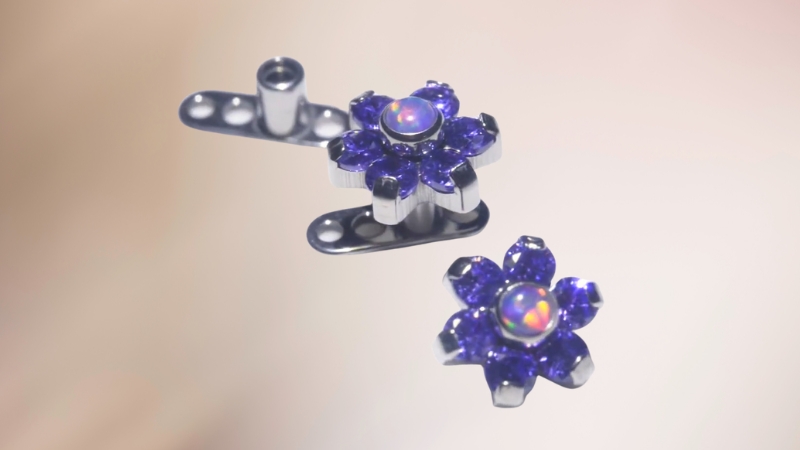
Professional piercers lean on implant-grade titanium for a reason. It appears in medical devices, orthopedic hardware, and stable long-term piercings. When clients worry about nickel, titanium often becomes the first pick.
Why Titanium Works
- Extremely low nickel exposure
- Strong resistance to corrosion
- Lightweight, which reduces friction and pressure
- Excellent biocompatibility in piercing environments
What To Look For
Seek standards such as:
- ASTM F136
- ASTM F67
- ASTM F1295
- ISO 5832-3
Pieces that carry these markings typically meet the requirements that professionals expect in body jewelry.
Reality Check
Titanium allergy exists, but it is rare. Patch testing can be tricky, so always pay attention to how your skin behaves.
2. Niobium
Niobium carries a long track record in piercing studios. You get a metal with stability, comfort, and zero need for plating. Many jewelry makers anodize niobium to produce color using only electricity, not dyes or coatings.
Why Niobium Works
- Very low likelihood of causing allergic reactions
- Strong surface stability
- No plating to wear away
- Smooth finish that reduces irritation
What To Watch
Niobium does not use an official “implant grade” system the way titanium does. Quality depends on the manufacturer. Choose established jewelers or piercers with transparent material sourcing.
3. Platinum
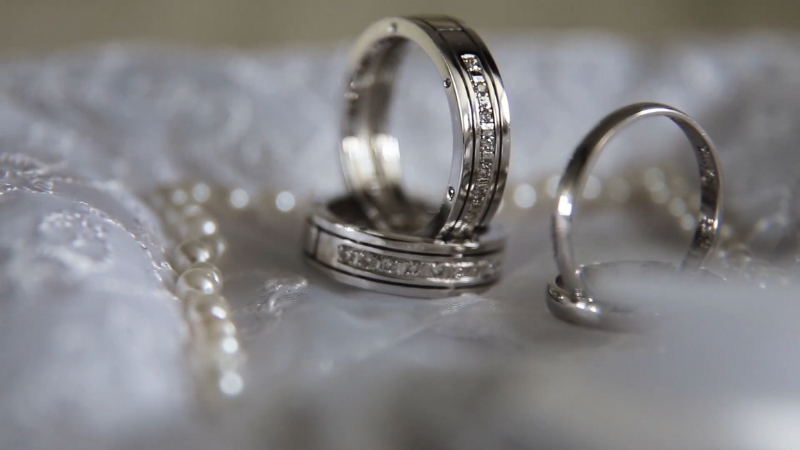
Platinum is often recommended for people who react to nickel. Dermatology literature repeatedly notes its low sensitization rate. Rashes linked to platinum do happen, but they remain rare.
In one patch test study of 446 people, only two showed a platinum reaction. That tells you how solid its track record is.
Why Platinum Works
- Generally inert
- Durable and stable against sweat, lotion, and humidity
- Minimal concern about nickel contamination compared to mixed alloys
What To Buy
Ask about the alloy composition. Platinum pieces can blend metals like iridium or ruthenium. You want transparency from the seller, especially if you already have a long history of metal allergies.
4. High Karat Yellow Gold
@tinilux Reply to @chloebalvin wow, blown away by this stat. More than 15% of people in this study had reactions to gold #fyp #goldjewelry #goldallergy ♬ original sound – Tini Lux
Gold allergies are complicated. Dermatologists often guide nickel-sensitive patients toward 18k, 22k, or 24k yellow gold. High karat yellow gold leans less on nickel-based hardeners and more on copper or silver in the alloy mix.
Why High Karat Gold Works
- Lower reliance on nickel for strength
- Good corrosion resistance
- Smooth surface that feels comfortable on skin
What To Watch
- White gold often includes nickel, depending on how the alloy is built.
- Lower karat gold can include higher nickel percentages.
- “Nickel-free” only helps when the jeweler provides technical details.
Many shoppers who explore options like a guld klocka dam often discover that high-quality gold pieces feel gentler on skin when the alloy avoids nickel-based hardeners.
5. Sterling Silver
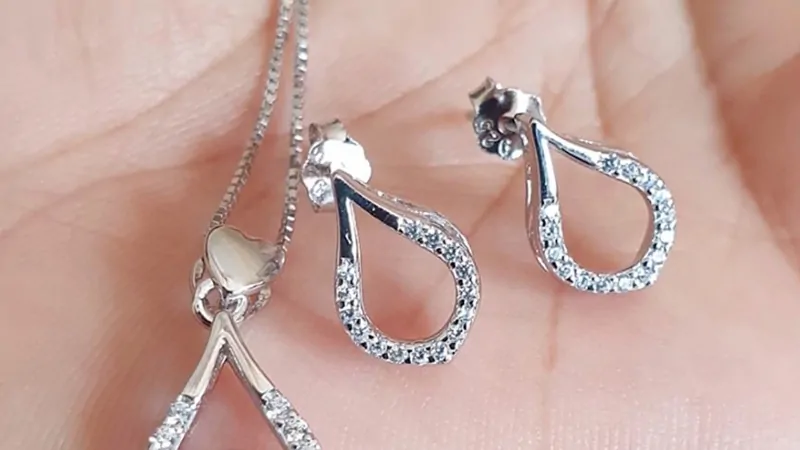
Sterling silver can be a comfortable choice when alloyed properly. Traditional sterling uses copper rather than nickel. Many people with nickel allergy wear sterling safely for years.
Why Sterling Works
- Usually well tolerated
- Affordable and available in many designs
- Softer metal that can be comfortable in earrings and small rings
What To Watch
- Tarnish can irritate skin, especially when moisture accelerates reactions.
- Cleaning solutions sometimes leave residue that triggers irritation.
- Many store items labeled as “silver” are only plated. Plated pieces wear quickly and expose unpredictable base metals.
6. Implant Grade Steel
View this post on Instagram
Stainless steel sits in a grey zone. Some people with nickel allergy tolerate certain grades perfectly. Others react within hours. The deciding factor is surface finish and how much nickel is released.
Only a small group of steels qualify as biocompatible in piercing contexts.
Why Implant Grade Steel Works for Some
- Strong corrosion resistance
- Passive surface layer that limits nickel release
- Often more affordable than titanium or platinum
What To Look For
- ASTM F138
- ISO 5832-1
If the jewelry lists a random “surgical steel” label without standards, you should walk away.
What To Watch
Strong nickel allergy often rules steel out. Titanium or niobium provide safer consistency.
7. Palladium
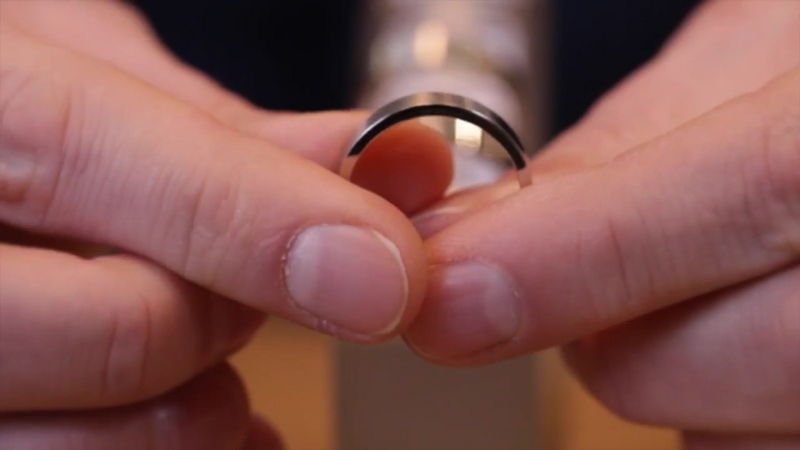
Palladium carries a complicated profile. It shows up in rings, white gold blends, and even dental work. Many dermatology reviews note that palladium reactions commonly appear in people who already have nickel allergy.
Bottom Line
Palladium cannot be treated as a safe alternative for nickel-sensitive wearers unless a dermatologist has evaluated your patch testing profile.
Why Jewelry Irritates Skin
A rash under metal does not magically appear. Skin responds to something, either an allergen or an irritant. The two patterns are not the same.
Allergic Contact Dermatitis
Allergic contact dermatitis is an immune reaction that builds quietly, then acts loudly. According to DermNet, your skin needs a period of exposure before the immune system notices a metal, stores its “memory,” and reacts later. Once that happens, the allergy often stays with you long term.
Common allergens include:
- Nickel often found in earrings, mixed alloys, zippers, and countless metal items.
- Cobalt occasionally used in jewelry alloys and known for reactions that resemble nickel responses.
- Gold not common as an allergen but still relevant, especially for those with positive patch tests.
- Palladium associated with nickel allergy due to cross-reactivity.
Irritant Contact Dermatitis
Many rashes blamed on “allergy” are plain irritation. Irritation skips the immune system and goes straight to skin barrier stress.
Common irritants:
- Soap or lotion trapped under rings
- Hand sanitizer residue
- Heat and sweat under tight bands
- Friction from snug jewelry
- Cleaning residues left on metal
A ring can be nickel-free and still cause trouble if you wash your hands repeatedly and moisture sits under the band.
The Big Trigger Metals You Want To Avoid
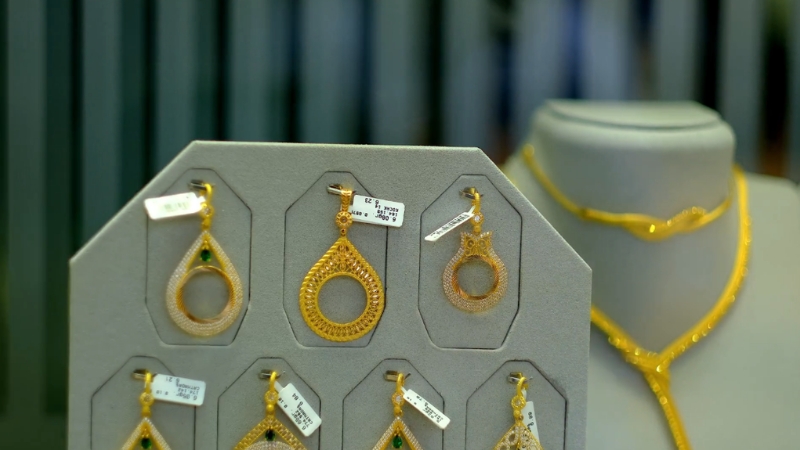
A high price tag does not guarantee comfort. A low price tag does not automatically cause irritation. The real enemy is the unknown alloy with an unknown plating stack.
Several choices carry a higher risk:
- Costume jewelry alloys with thin plating that wears quickly and exposes a base mix containing nickel.
- Low karat gold and many white gold alloys which can include nickel for strength and color.
- Brass and copper heavy blends known for discoloration and irritation in humid, sweaty environments.
- Generic “surgical steel” claims without listed standards. The term is marketing, not regulation.
If the material is vague and the seller cannot list a standard, treat it with suspicion.
What “Hypoallergenic” Should Actually Mean
Hypoallergenic should never function as a free pass. A useful claim carries proof behind it.
According to Business Companion, reliable indicators include:
- A recognized ASTM or ISO standard normally used for piercings or implants.
- Metals with a proven low sensitization history, such as titanium and niobium.
- Compliance with nickel release regulations in the EU and UK.
When you rely on actual standards, you cut through the marketing noise.
Nickel Rules You Can Use When Buying Jewelry
If you shop in the UK or EU, you gain a built-in safety advantage. Regulations set limits on how much nickel can be released from metal in contact with skin.
Two important thresholds apply:
- Piercing posts: Below 0.2 micrograms per square centimetre per week
- Direct skin contact items such as rings or watches: 0.5 micrograms per square centimetre per week
The European Commission focuses on nickel release, not total nickel content. A piece can contain nickel yet release very little. EN 1811 provides the test method used to check compliance.
If a jeweler mentions nickel release testing, you can take that as a strong sign of transparency.
Quick Comparison Table
A clean overview helps when you are staring at a dozen options. Here is a practical snapshot.
| Metal | Best For | What To Look For | Common Pitfalls |
| Implant-grade titanium | Earrings, piercings, all-day wear | ASTM F136, F67, F1295, ISO 5832-3 | “Titanium” without a standard, coatings |
| Niobium | Sensitive ears, daily wear | Solid niobium from a reputable maker | No implant designation |
| Platinum | Rings, earrings, premium pieces | Alloy disclosure | Rare reactions can still happen |
| Yellow gold 18k+ | Rings, earrings, necklaces | 18k, 22k, 24k yellow gold | Low karat or white gold may include nickel |
| Sterling silver | Everyday pieces | Marked sterling, .925 | Tarnish, plated base metals |
| Implant-grade steel | Some piercings, budget options | ASTM F138, ISO 5832-1 | “Surgical steel” without standards |
| Palladium | Special cases only | Patch test guidance | Ties to nickel allergy |
Practical Buying Checklist
Ask for Material Details
Request the alloy specifics. A good seller will share:
- The exact metal grade
- Any plating layers
- Whether the item complies with ASTM or ISO standards
“Hypoallergenic” should never carry more weight than actual information.
Prefer Solid Metals for Daily Wear
Plating acts like a temporary shield. When it wears down, the underlying alloy touches your skin. Even EU rules acknowledge this by requiring coated items to maintain low nickel release for a defined period.
If you want longevity, go with solid titanium, niobium, gold, platinum, or well-alloyed sterling.
Earrings Require Special Attention
Piercings sit at the top of the risk list for sensitization. A systematic review from 2025 reported that individuals with body piercings have higher nickel allergy rates than those without piercings.
Ear tissue is delicate and absorbs more nickel than other areas. If your ears react often, titanium or niobium usually provides the cleanest experience.
Rule Out Non-Allergy Causes
If your rash forms only under rings, keep an eye on:
- Soap buildup
- Lotion residue
- Moisture trapped under the band after washing
- Hand sanitizer that dries into cracks and irritates skin
Swapping metals helps only when metal allergy is the actual trigger.
When To Escalate Beyond Material Changes

Reach out to a clinician if you notice:
- Blistering, oozing, or signs of infection
- A reaction that spreads away from the jewelry contact area
- Persistent irritation despite changing metals
- Confusion about whether your issue is allergy or irritation
Patch testing gives you clarity so you can stop guessing. Dermatology guidance consistently notes that nickel allergy has no cure, only avoidance.
Final Thoughts
You cannot guarantee that a metal will behave perfectly on every skin type, but you can rely on patterns that dermatologists, piercers, and jewelers have tracked for decades.
Implant-grade titanium, niobium, platinum, high-karat yellow gold, and sterling silver consistently provide the most comfortable experience.
Implant-grade steels can work for many people as long as the standards are real and the nickel release stays low. Palladium requires caution, especially for those who already react to nickel.
Your skin sends useful signals. If a piece makes you itch, sting, or peel, you do not have to push through it. Better metals exist, and they are easy to find when you know what to look for.